





Official Government Website
Announcement Icon In observance of the 250th anniversary of our nation, our offices will be closed on July 2-6, 2026. As we commemorate this historic milestone, we encourage everyone to take a moment to celebrate this significant occasion. Our offices will reopen on July 7, 2026. We wish you a safe and enjoyable holiday. Close

Cyanobacteria Harmful Algal Blooms


Current Waterbodies
with CyanoHABs


Report a Potential
Cyanobacteria Bloom


How to Identify
CyanoHABs


Subscribe for
CyanoHAB Updates

What is a cyanobacteria harmful algal bloom (cyanoHAB or HAB)?

Cyanobacteria are a natural part of Idaho’s water bodies, but when temperatures rise, their populations can multiply rapidly and toxins can be released into the water. Commonly called blooms, these growths may have a foul odor and can look like mats, foam, spilled paint, or surface scum. Conditions that support toxic blooms usually diminish with cooler temperatures but blooms can remain active into the cooler months. 

Exposure to cyanotoxins through skin contact or ingestion can cause symptoms including but not limited to skin irritation, upset stomach, fever, headache, and neurotoxic effects such as trouble breathing. Effects can be more serious in animals since they are more likely to drink the water, lick toxic cyanobacteria from their fur, or eat toxic mats. Boiling water does not remove cyanotoxins and will concentrate the toxins. Most portable drinking water filtration products (like those used for backpacking) are not effective at removing cyanotoxins.

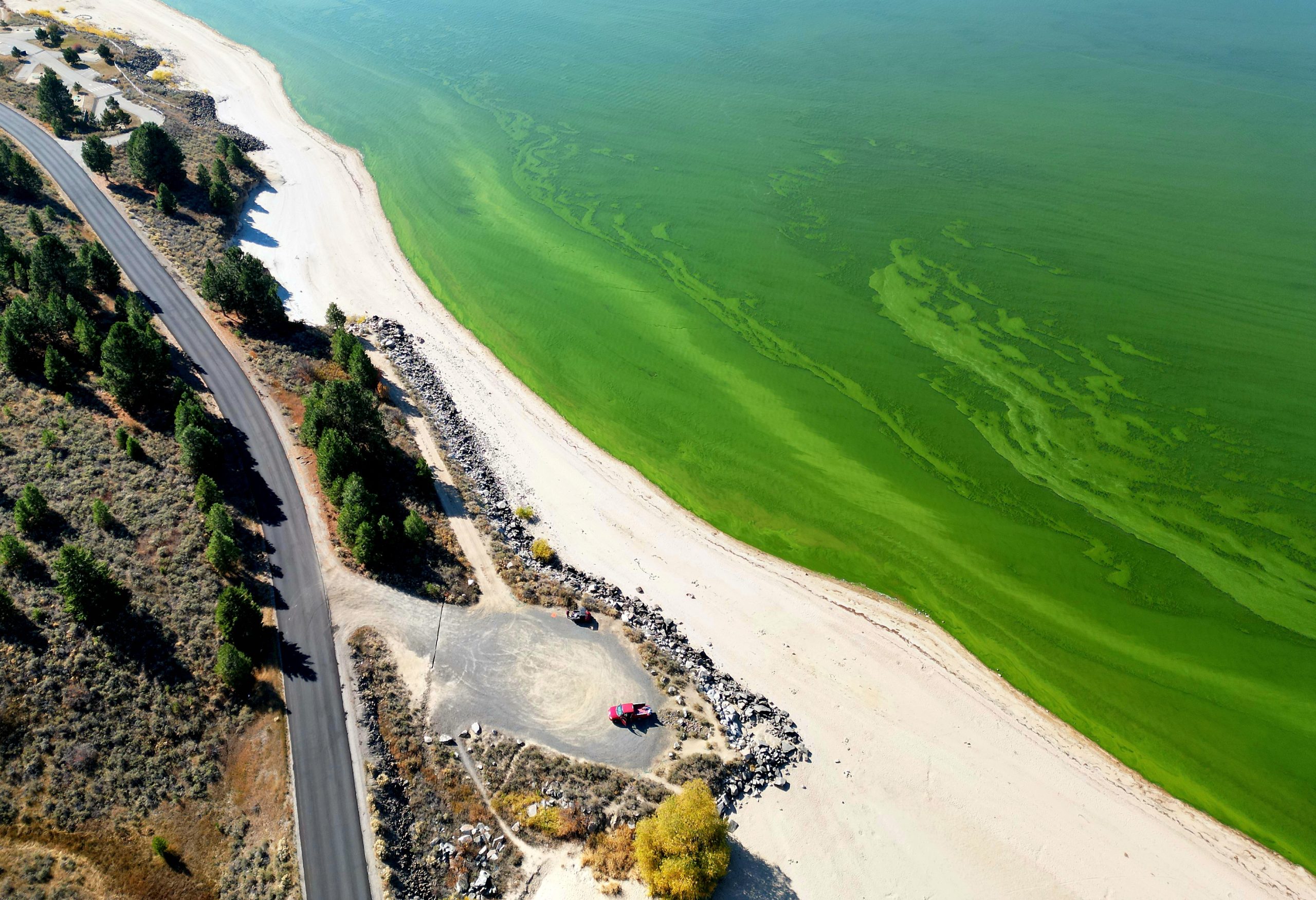
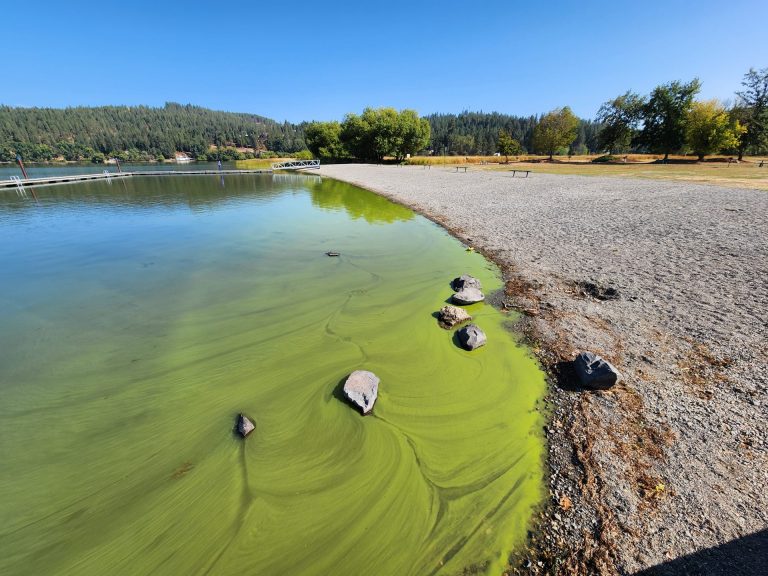
2025 Hauser Lake Cyanobacteria Harmful Algal Bloom

If you, your kids, or your pets come into contact with water that you think might have a harmful algal bloom, it’s important to rinse right away with soap and clean water. If someone is experiencing symptoms of cyanobacteria exposure, and check with your healthcare provider or veterinarian for treatment. In the case of an emergency, call 9-1-1.

Use caution when recreating in and around water. When in doubt, stay out and keep pets out of the water.

How to report a potential bloom

How to stay informed about active blooms

CyanoHAB Risk Data Table

Idaho’s Cyanobacteria Recreational Waters Response Plan outlines how harmful algal blooms are identified, monitored, and communicated to the public. Idaho’s response framework includes two  risk levels—Health Watch and Health Alert—that provide timely public information while toxin test results are pending.  Health Advisories  are issued as a press release through the DHW News webpage to inform news outlets and the public of where an active, toxic bloom has been confirmed. 

DEQ staff are responsible for responding to HAB reports from the public, sampling Idaho waterbodies, and analyzing water quality data. We provide sample results and other relevant information to DHW and the local public health district. Using that information, DHW determines whether public health notifications are warranted.  

Due to the large number of waterbodies across Idaho, DEQ cannot continuously monitor every waterbody at all times. HABs can develop quickly, particularly in hot weather. When in doubt, stay out of the water. 

Waterbodies with a Health Watch, Health Alert, or Health Advisory will be displayed on theDHW Recreational Water Health Advisories Mapand the CyanoHAB Risk Data Table below. Reference theIdaho CyanoHAB Risk Level Summary for more details on risk levels and how they’re communicated to the public.

Risk LevelWaterbodyCountyData TypeCollection DateMore Information
WatchSalmon Falls Creek ReservoirTwin FallsField Observations07/01/2026This cyanoHAB watch indicates evidence of a potentially toxic bloom without confirmed presence of cyanotoxins.
WatchWinchester LakeLewisField Observations06/11/2026This cyanoHAB watch indicates evidence of a toxic bloom. Cyanotoxin levels are low but can change rapidly.
WatchMann LakeNez PerceField Observations06/11/2026This cyanoHAB watch indicates evidence of a toxic bloom. Cyanotoxin levels are low but can change rapidly.
WatchLittle Wood River ReservoirBlaineField Observations06/17/2026This cyanoHAB watch indicates evidence of a potentially toxic bloom without confirmed presence of toxigenic cells or cyanotoxins.
WatchLake LowellCanyonField Observations06/16/2026This cyanoHAB watch indicates evidence of a potentially toxic bloom without confirmed presence of toxigenic cells or cyanotoxins.

Risk Levels

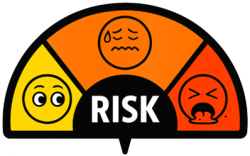
 Health Watch – Indicates evidence of a harmful algal bloom. This risk level is based on field observations, photographic evidence, and/or satellite data. Toxin concentration and toxin-producing organism concentration may not have been measured.

  • DO NOT: Drink the water 
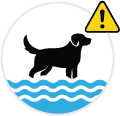
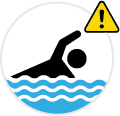
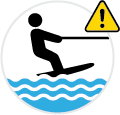
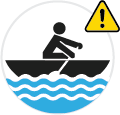
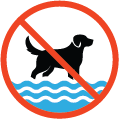
  • USE CAUTION: Allowing animals in the waterwading; swimming; kayaking, paddleboarding, etc.; eating fish from the water 
  • OKAY TO PROCEED: Boating in motorized vehicles  

 Health Alert – Indicates a high level risk to the health of pets and livestock, and can cause illness in humans, especially if exposure is prolonged or continual. This risk level is based on field testing, laboratory testing, or reported human or animal illness.

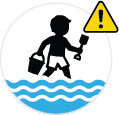
  • DO NOT: Drink the water; allow animals in the water; allow children in the water 
  • USE CAUTION: Adults wading or swimming; kayaking paddleboarding, etc.; eating fish from the water 
  • OKAY TO PROCEED: Boating in motorized vehicles 

 Health Advisory – Indicates a high level of confirmed risk to humans from harmful algal blooms. Toxins or toxin-producing organisms have exceeded threshold levels at which adverse health effects are expected. Thresholds are set by EPA and/or DHW. This risk level is based on laboratory testing or verified human illness. When laboratory testing is unavailable, the criteria for issuing a health advisory will be lowered to ensure the public is informed and able to make decisions based on information provided in the advisory.

  • DO NOT: Drink the water; allow animals in the water; wade or swim in the water 
  • USE CAUTION: Kayaking, paddleboarding, etc.; eating fish from the water 
  • OKAY TO PROCEED: Boating in motorized vehicles 
Visual representation of risk levels for cyanoHABs

Additional HABs Resources

What Do Cyanobacteria Harmful Algal Blooms Look Like?

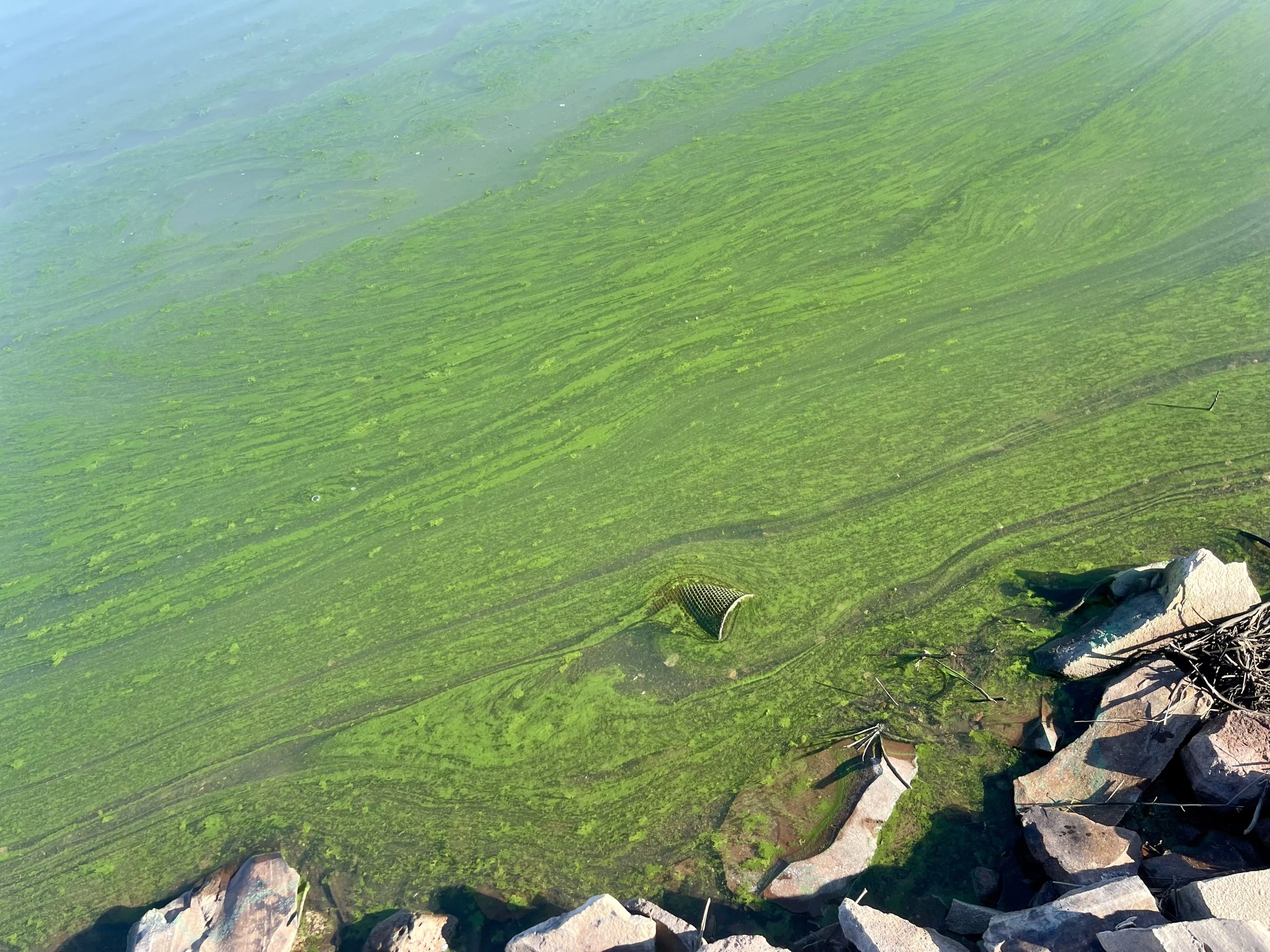
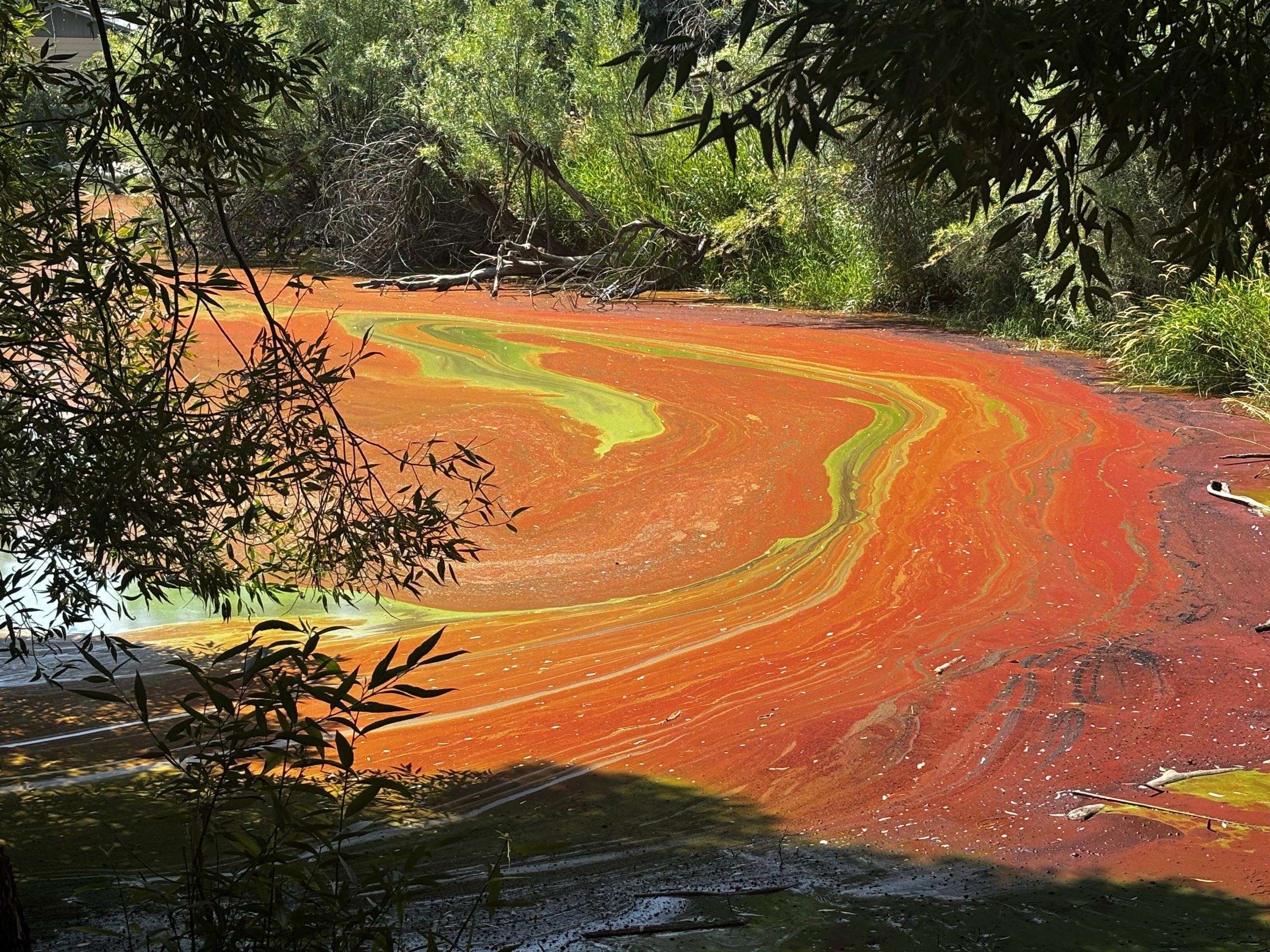
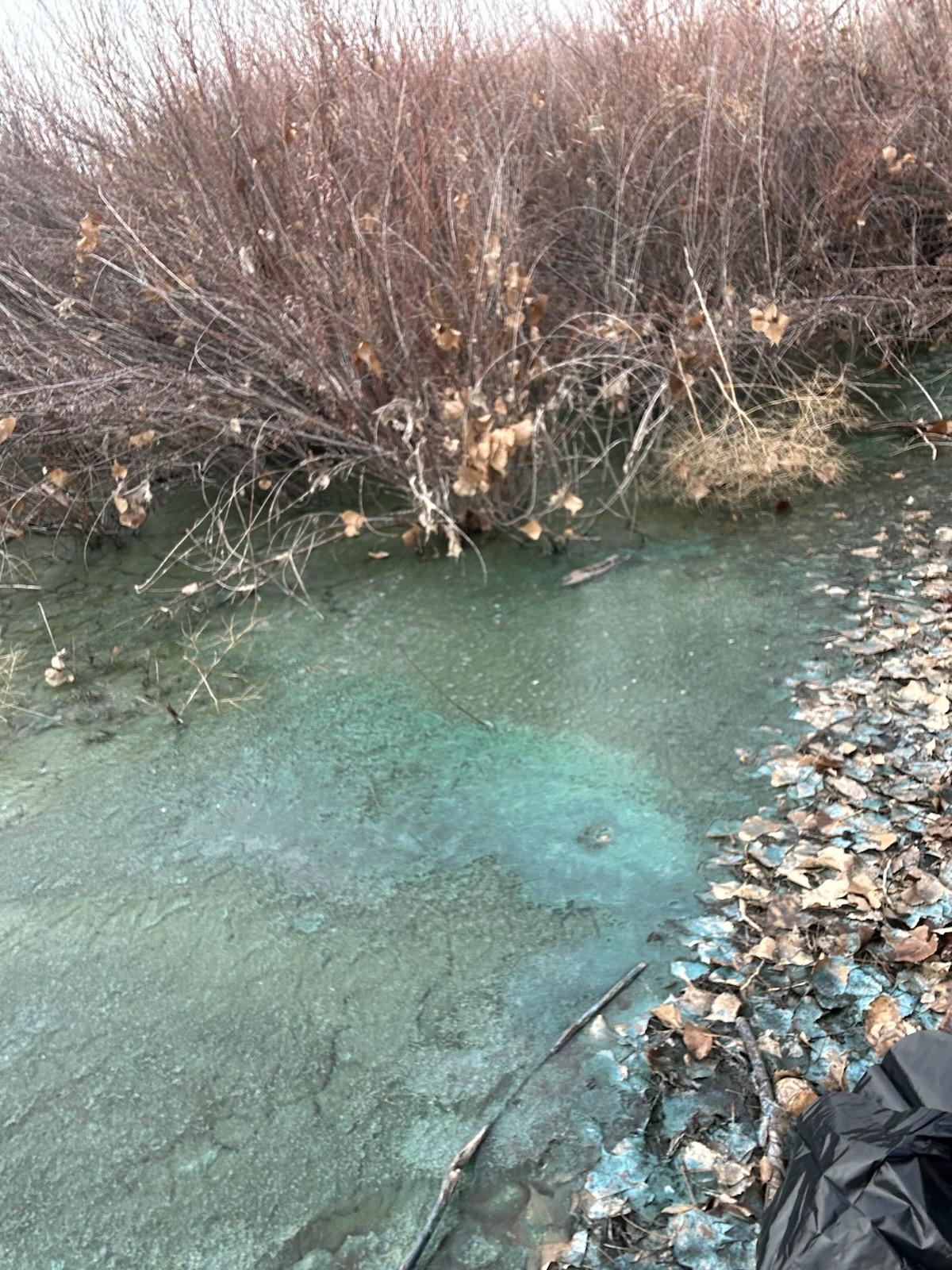
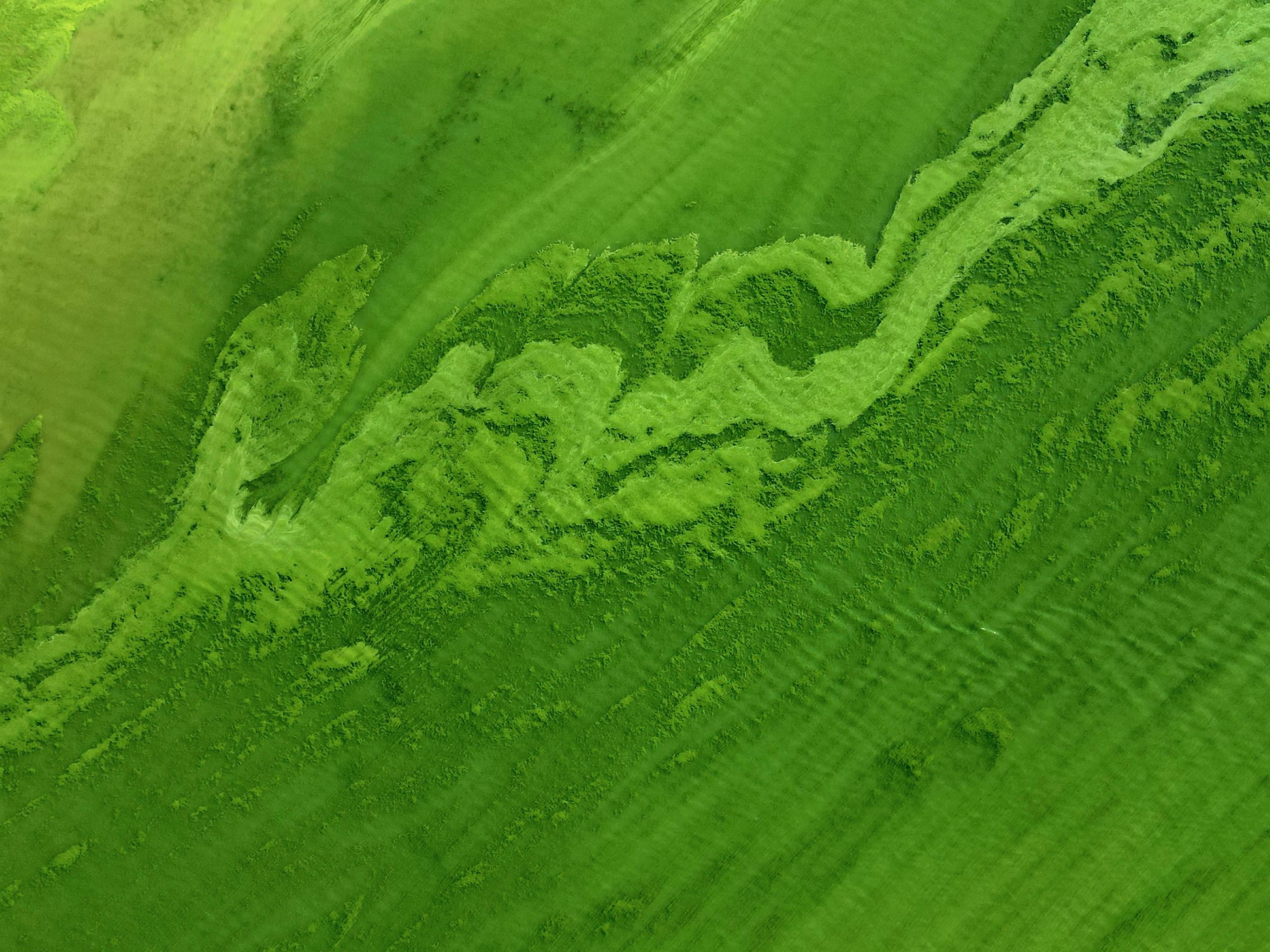
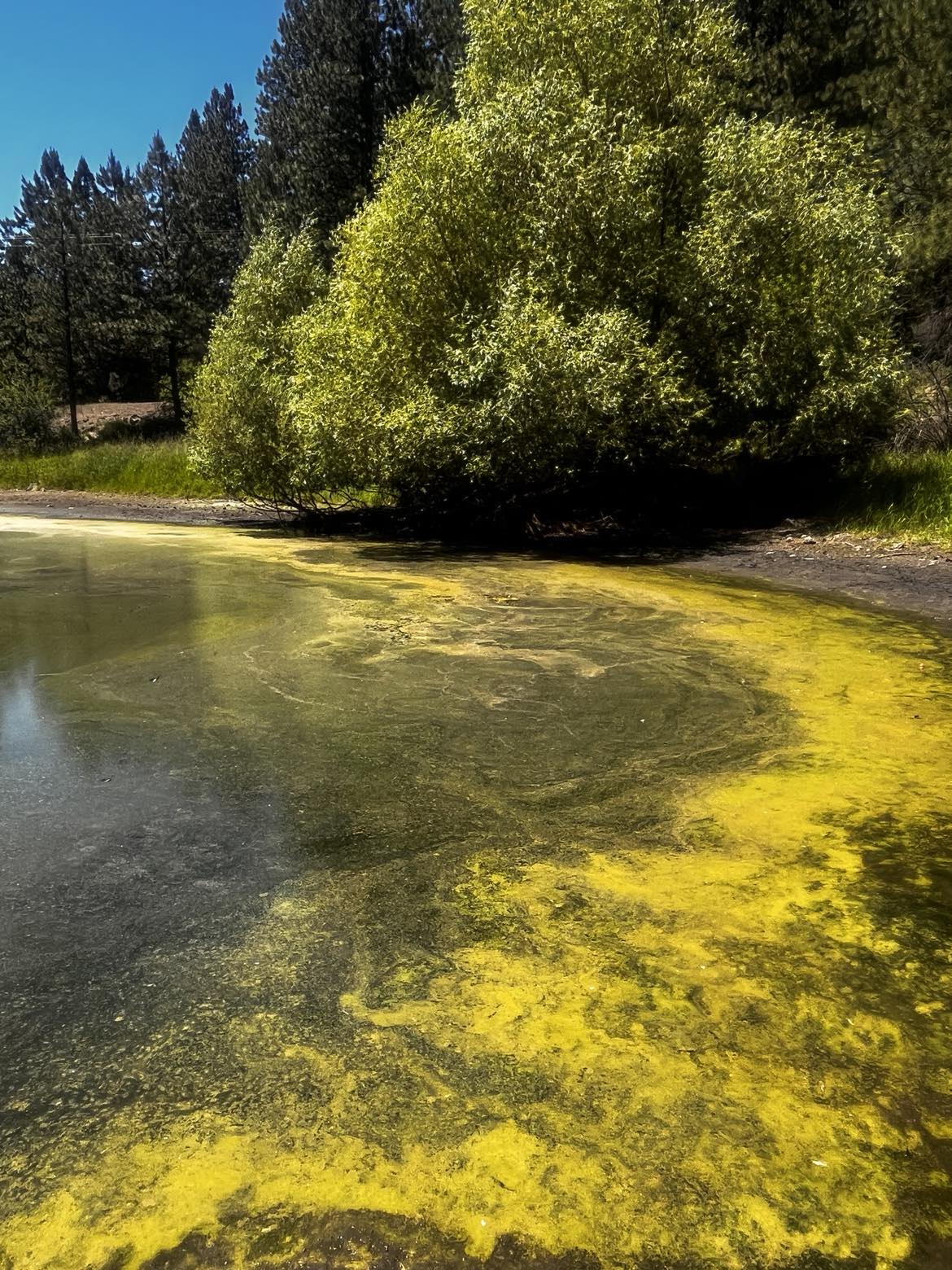
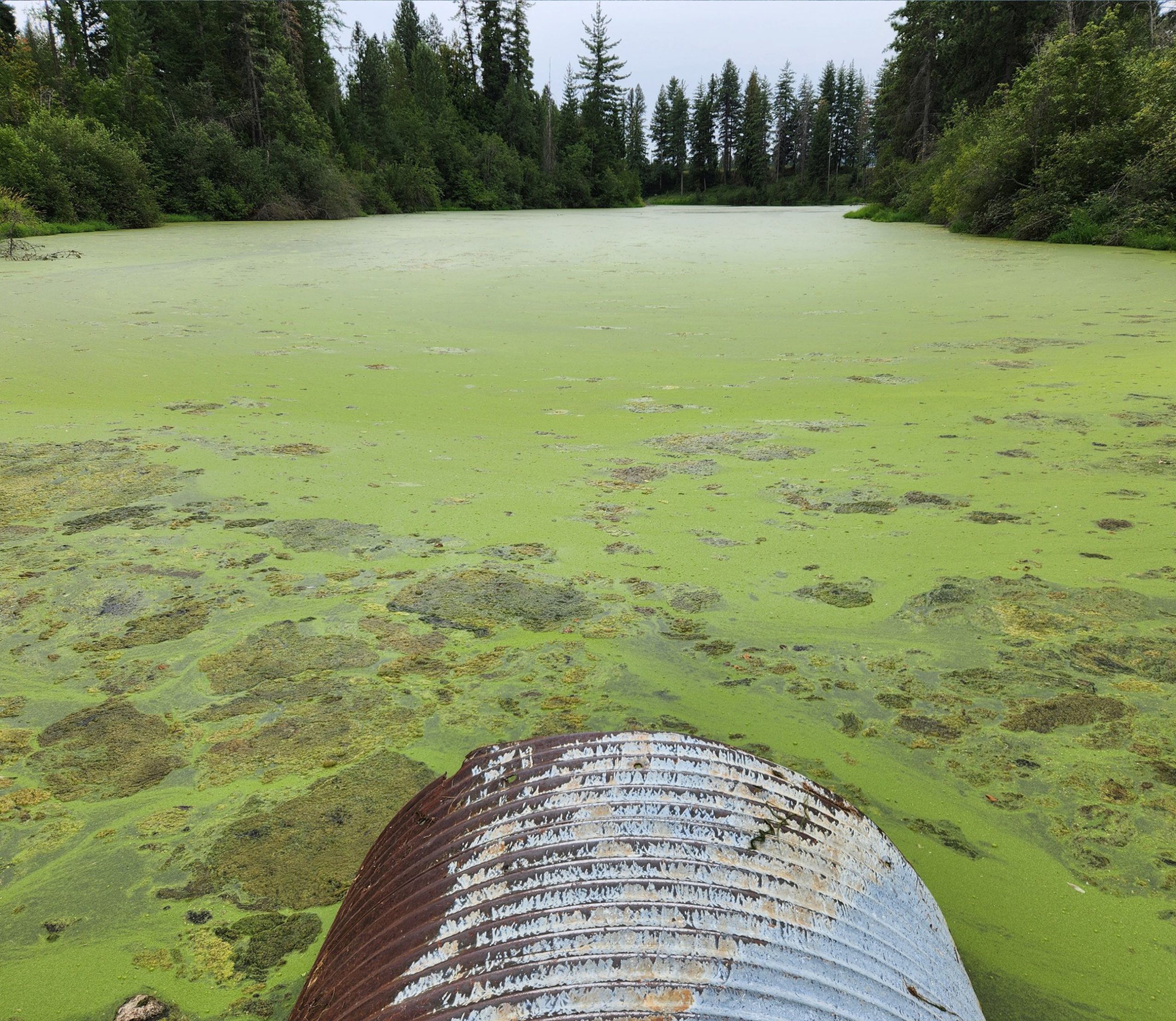
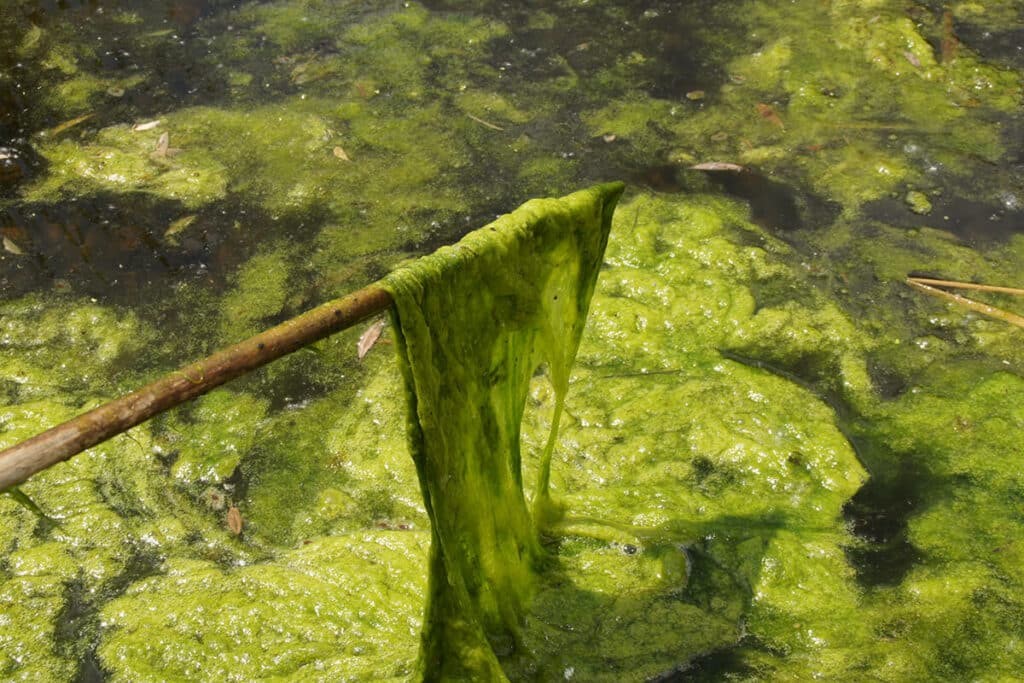
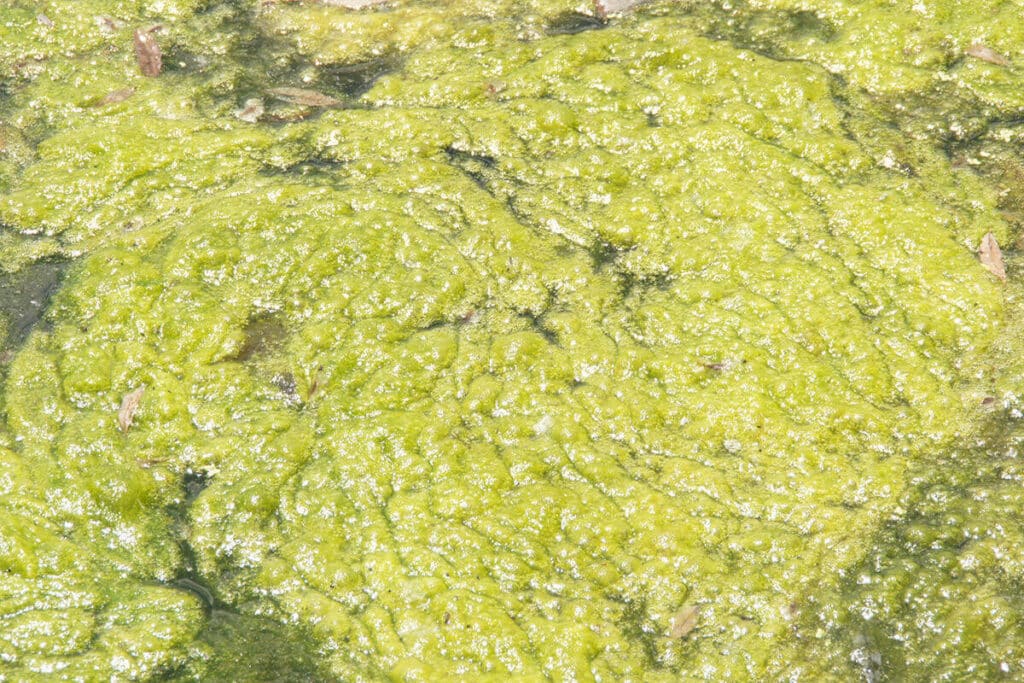
Harmful algal blooms can present as discolored water, streaks or globs of scum, and/or thick green mats or scum along shorelines. Blooms can vary in color, looking like split-pea soup, iridescent green paint, or may be brown in color. 

Examples of Cyanobacteria Harmful Algal Blooms

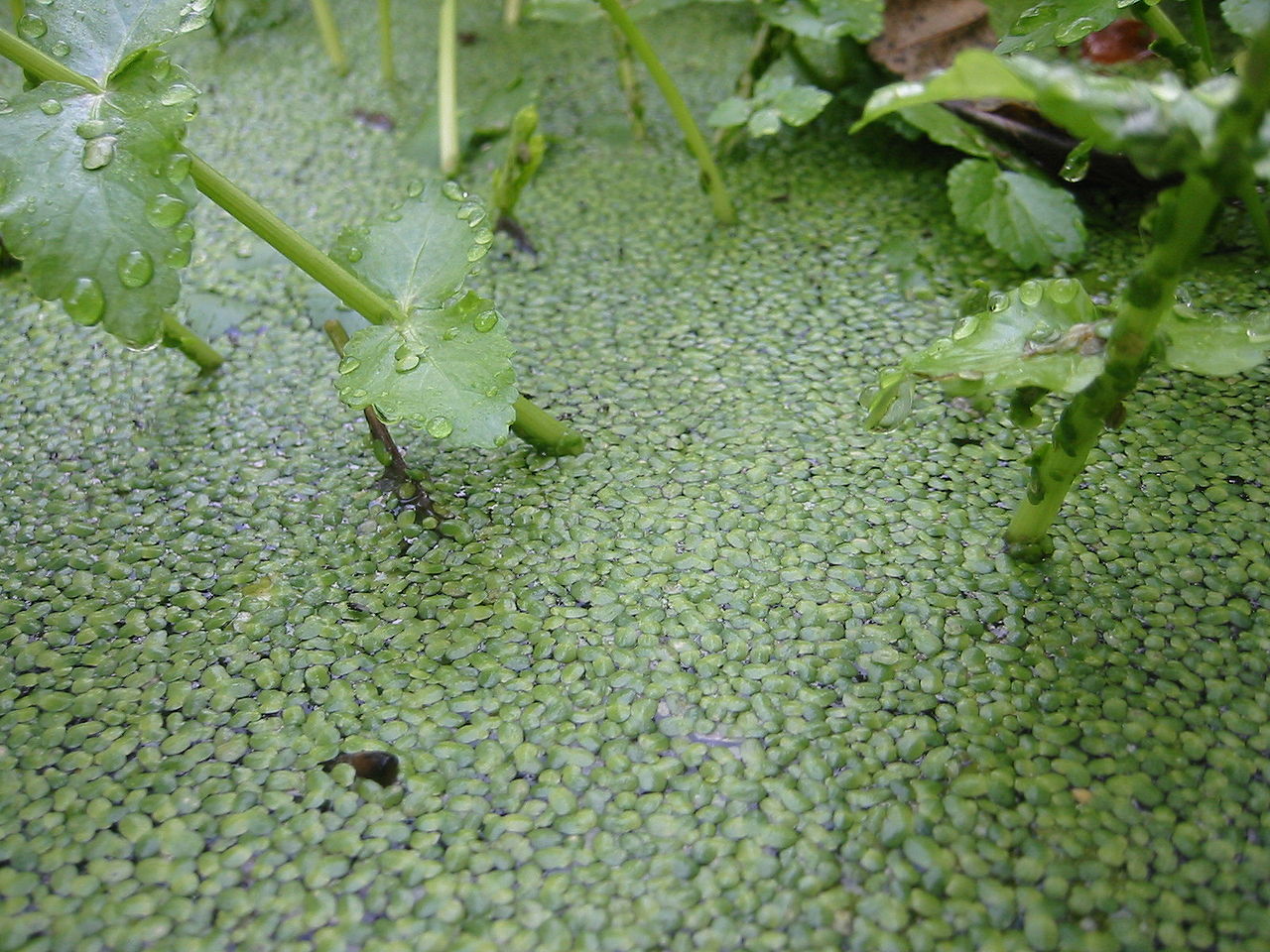
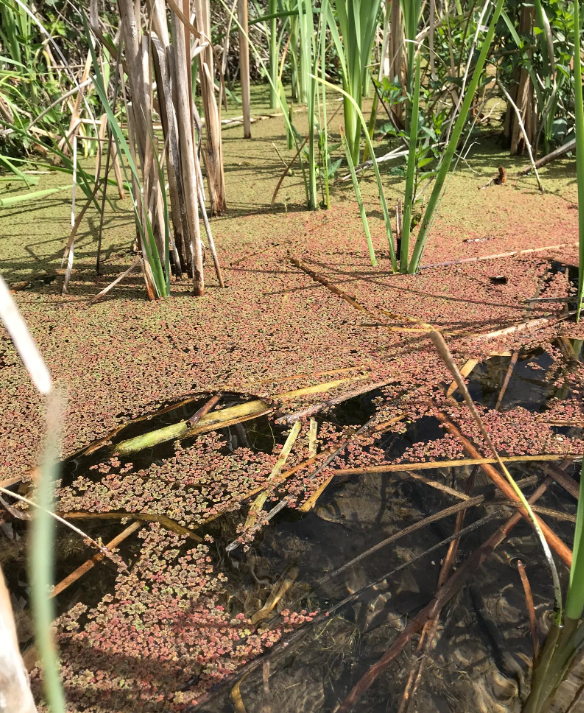
Examples of Plants and Algae that are NOT Cyanobacteria

Harmless aquatic plants and algae (like duckweed and filamentous algae) can resemble cyanobacteria harmful algal blooms, but do not produce toxins. 

What is Cyanobacteria?

Cyanobacteria are photosynthetic bacteria that are ubiquitous in nature and are found in surface waters. Environmental conditions can promote excessive growth of cyanobacteria which can lead to high cyanobacterial cell density, known as blooms. Some cyanobacteria, but not all, have the ability to produce toxins known as cyanotoxins. The abundance of toxin-producing cyanobacteria can vary within the overall cyanobacteria population, from waterbody to waterbody, and over time within a single waterbody.

DEQ tests for both the number of cyanobacteria present in a sample of water (cell density) and cyanotoxin levels. While studies on the health outcomes of human exposure to high densities of cyanobacteria cells are inconclusive, some studies have shown adverse inflammatory health effects. Cell density advisories are an additional measure that can protect against exposure to high densities of potentially toxic-producing cyanobacteria.

Types of Cyanotoxins
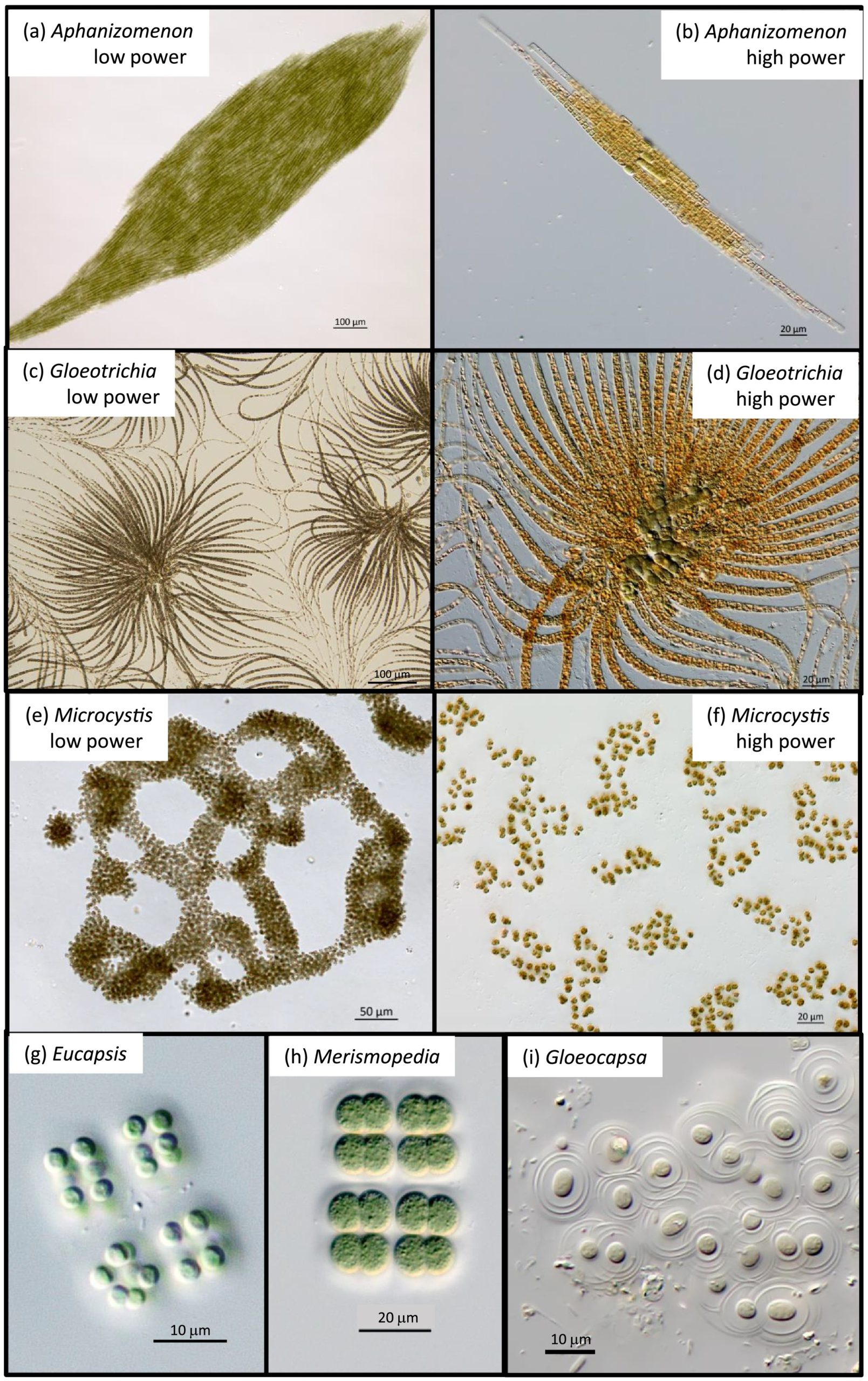
Example microscope images for 6 of the 12 genera of cyanobacteria. From Legleiter et al., 2022

DEQ follows thresholds as recommended by EPA for two types of cyanotoxins, Microcystins and Cylindrospermopsin. Since Microcystis is a genus of cyanobacteria that is known to be a high producer of cyanotoxins, DEQ also follows a cell density threshold for that group of cyanobacteria.

Microcystins are a type of cyanotoxin that can be produced by a variety of toxic-producing cyanobacteria genera, including Microcystis, Anabaena, Dolichospermum, Nostoc, Oscillatoria, Fischerella, Planktothrix, and Gloeotrichia. Some of these species can be distributed through the water column, concentrate in the upper layers, or form surface scum depending on environmental conditions. Microcystins typically have a half-life of four to 14 days in surface waters or may persist longer, depending on factors such as photodegradation, bacteria, and the presence of organic matter. Microcystins can persist even after a toxic cyanobacterial bloom is no longer visible.

Cylindrospermopsin is a cyanotoxin that can be produced by a variety of toxic-producing cyanobacteria species, including Cylindrospermopsis raciborskii, Aphanizomenon, Anabaena, Lyngbya wollei, and Raphidiopsis. Some of these species tend not to form visible surface scums, and the highest concentrations of total cyanobacterial cells typically occur below the water surface. The biodegradation of cylindrospermopsin in natural water bodies is a complex process that can be influenced by many environmental factors, including toxin concentration, water temperature, sunlight, and the presence of other bacteria. Half-lives of 11 to 15 days and up to eight weeks have been reported for cylindrospermopsin in surface waters.

Image (click to enlarge): Example microscope images for 6 of the 12 genera of cyanobacteria. From Legleiter et al., 2022


EPA is determining whether to regulate cyanotoxins in drinking water due to updated health information and occurrence data. EPA included several types of cyanotoxins in their fourth Unregulated Contaminant Monitoring Rule (UCMR4), which requires all public water systems utilizing surface water or ground water influenced by surface water and serving over 10,000 customers to monitor for certain cyanotoxins. UCMR4 also applies to some smaller systems.
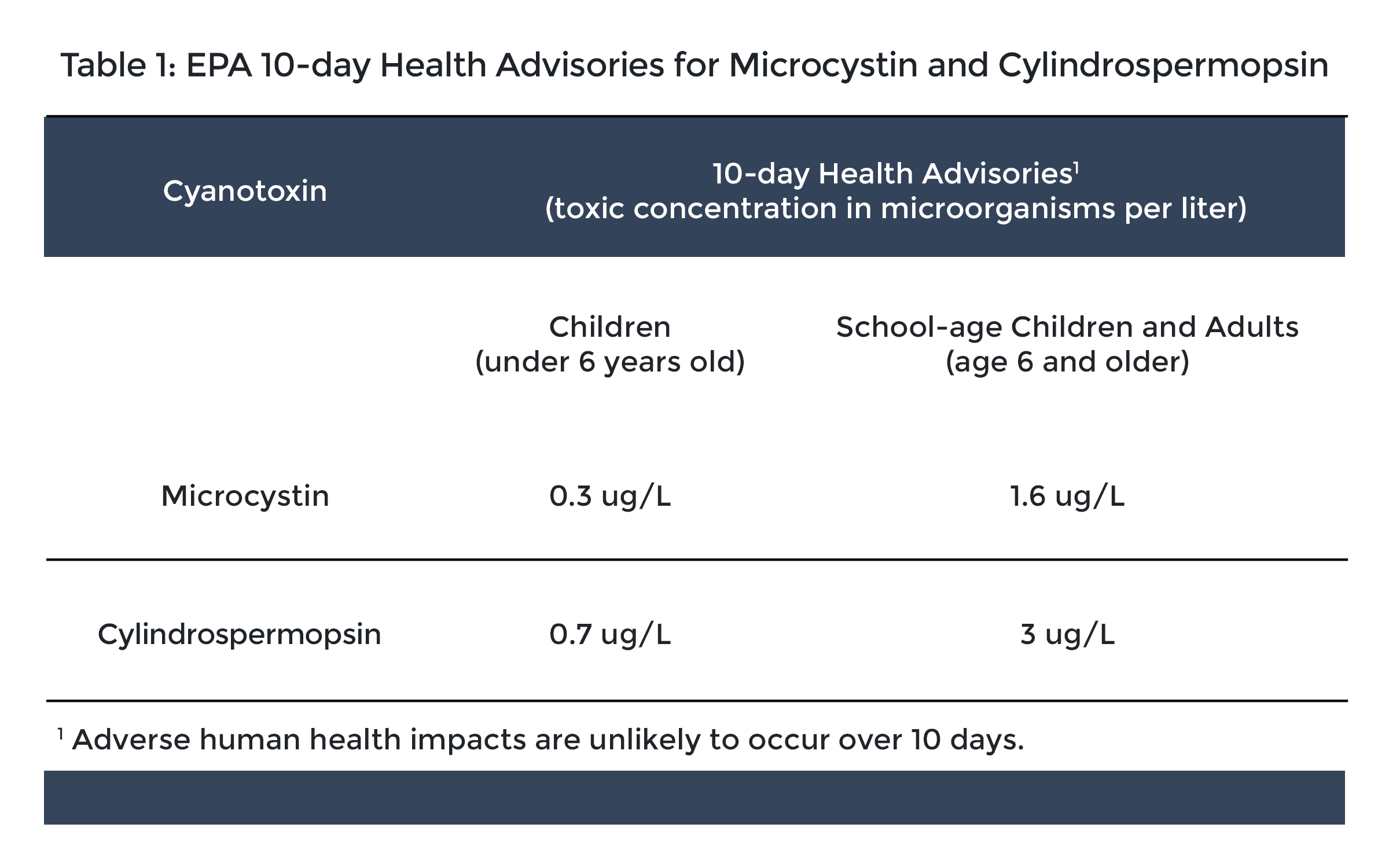
Microcystin, 0.3 ug/L, children (under 6 years old) and 1.6 ug/L, School-age children and adults (age 6 and older). Cylindrospermopsin, 0.7 ug/L children (under 6 years old) and 3 ug/L, school-age children and adults (age 6 and older). Adverse human health impacts are unlikely to occur over 10 days.Cyanotoxin health advisory levels – In 2015, EPA established health advisory levels for two cyanotoxins: microcystin and cylindrospermopsin. Health advisory levels are recommended contaminant levels meant to provide a margin of protection for all water system users based on a specified exposure time from adverse health effects resulting from the contaminant. When these toxins are found in drinking water, the concentrations should be compared with the health advisory levels.

See EPA’s website for health advisory information for cyanotoxins.

Health effects of cyanotoxins – Adverse health effects from cyanotoxins depend on many factors, including the type of cyanotoxin(s) present, duration of exposure, and the age and health of the individual. Cyanotoxins may affect the liver, nervous system, or skin, depending on the toxin. Health effects from cyanotoxin exposure range from skin rashes to liver and nerve damage. No human deaths in the United States have been caused by cyanotoxins, however, pet, livestock, and wildlife deaths caused by cyanotoxins have been reported throughout the United States and the world.

If you concerned about your health or have symptoms, contact your healthcare provider.

Public water systems monitoring for cyanotoxins in Idaho – Public water systems are not required to monitor for cyanotoxins. Some systems may voluntarily monitor for cyanotoxins. Contact your public water system to find out if they monitor for cyanotoxins.

Removing cyanotoxins from water – Boiling water will not remove cyanotoxins and will concentrate the toxins.

If your drinking water has been impacted by cyanotoxins and a “Do Not Use” or a “Do Not Drink” order has been issued, use an alternative source of water for drinking.

Point-of-use devices can be used to reduce levels of microcystins. National Sanitation Foundation International developed NSF Protocol 477: Drinking Water Treatment Units – Microcystin that verifies a water filter’s ability to reduce microcystin below the health advisory levels set by EPA.

Treatment devices require regular maintenance such as changing filters, cleaning scale buildup, or disinfecting the unit. Failure to properly maintain a unit reduces its effectiveness and, in some cases, may further impair the water quality. Follow the manufacturer’s recommendations for replacements and maintenance.

Once a cyanotoxin-related health advisory is lifted, you should flush all of your household plumbing and replace all water filters in the house to remove toxins:

  • Run and flush hot water taps for 15 minutes and all cold water taps for 5 minutes.
  • Change all filters on point of use units, point of entry systems, refrigerator water filters, and membranes for reverse osmosis units.
  • Ensure all faucets and plumbed appliances have been flushed.
  • Additional flushing instructions.

Additional Resources

Learn more about contaminants in drinking water

ver: 4.1.9 | last updated: