








Identifying CyanoHABs
Cyanobacteria and Cyanotoxins
What is Cyanobacteria?
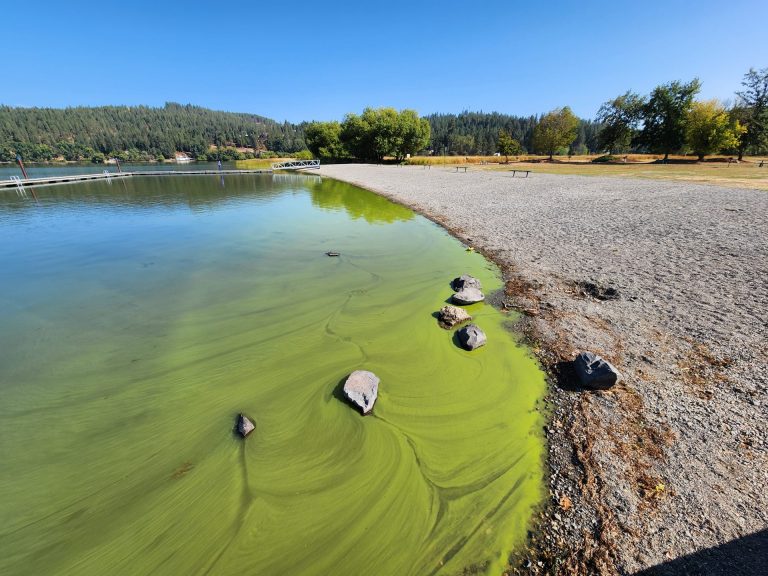
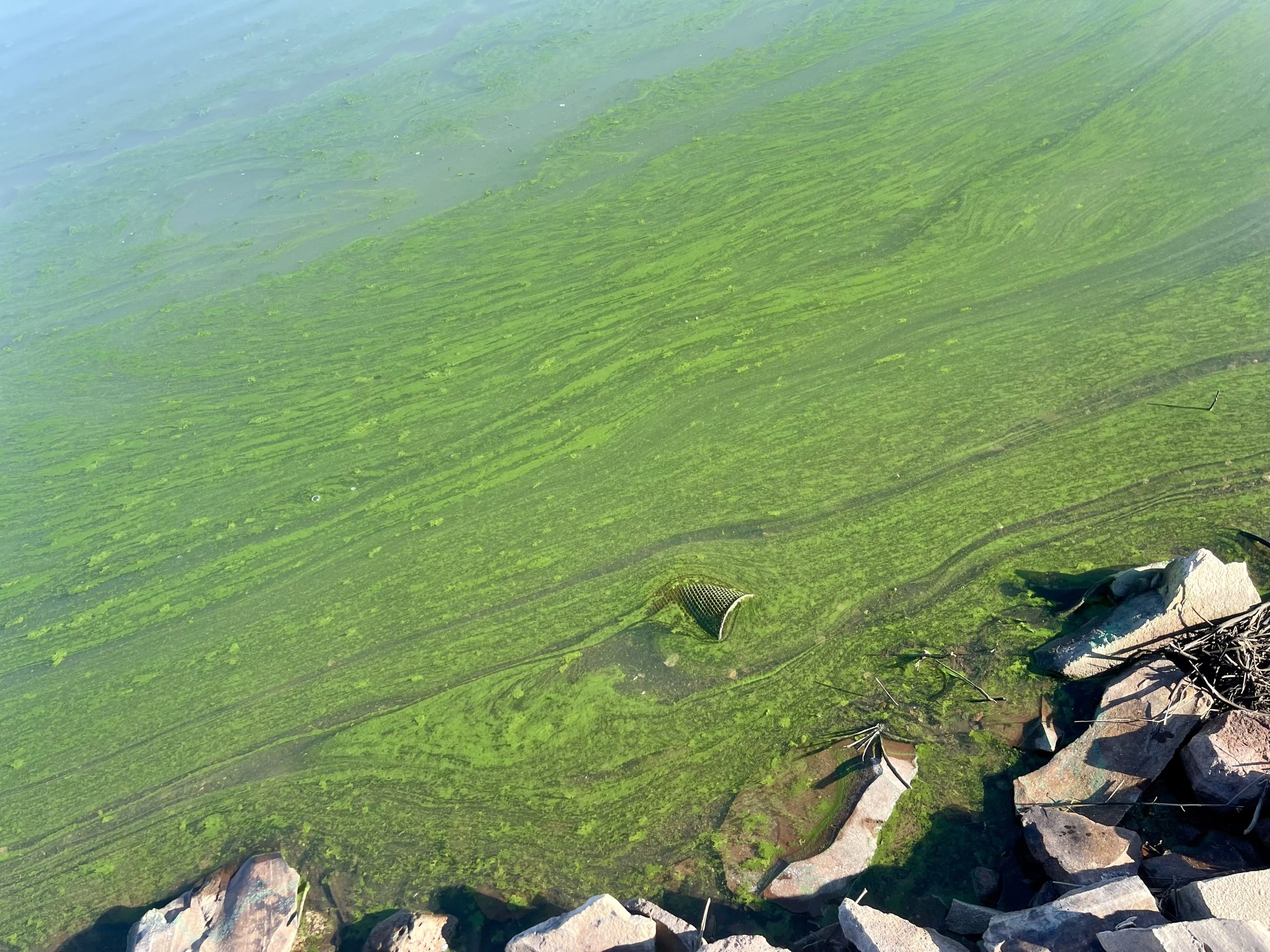
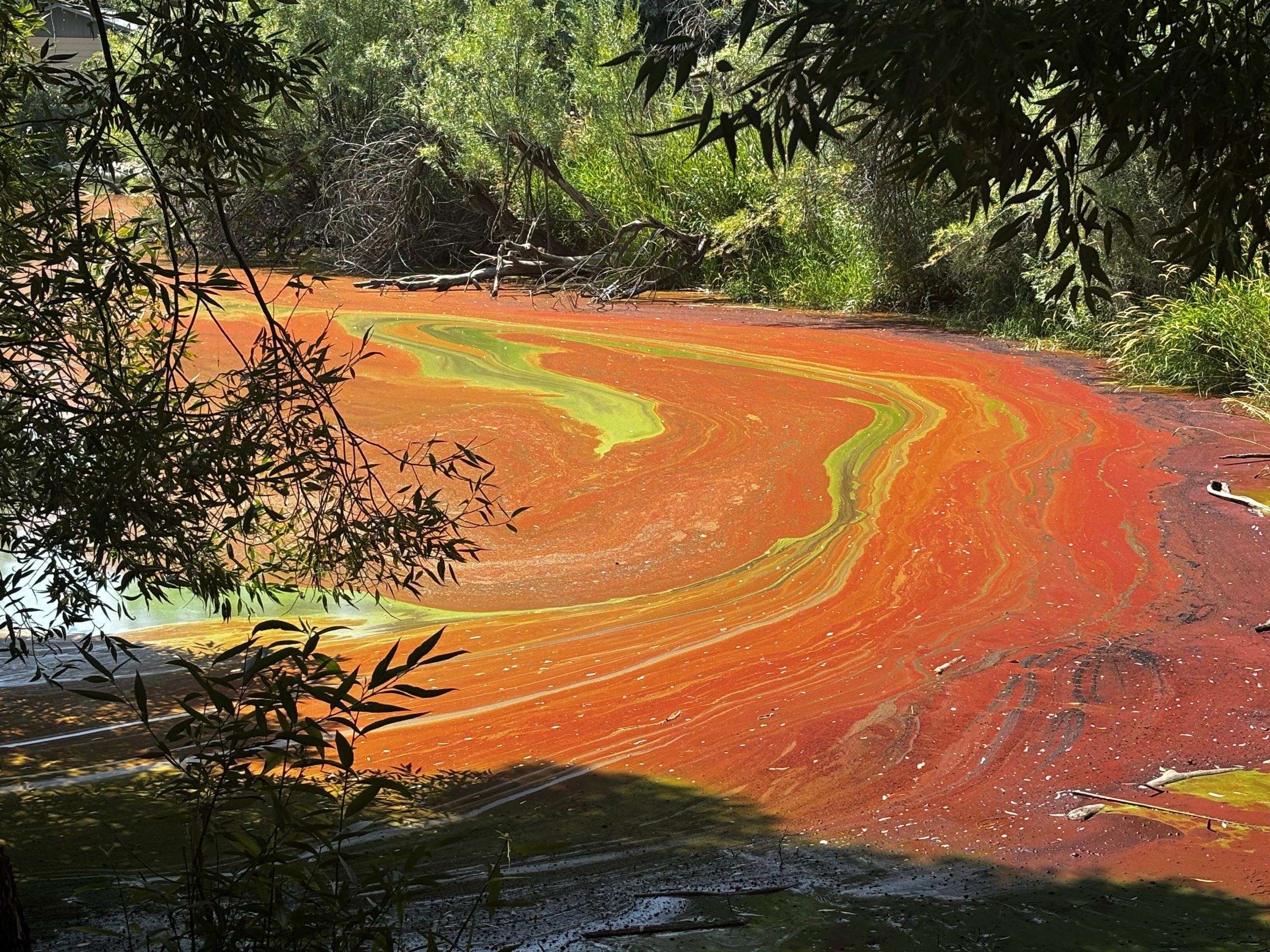
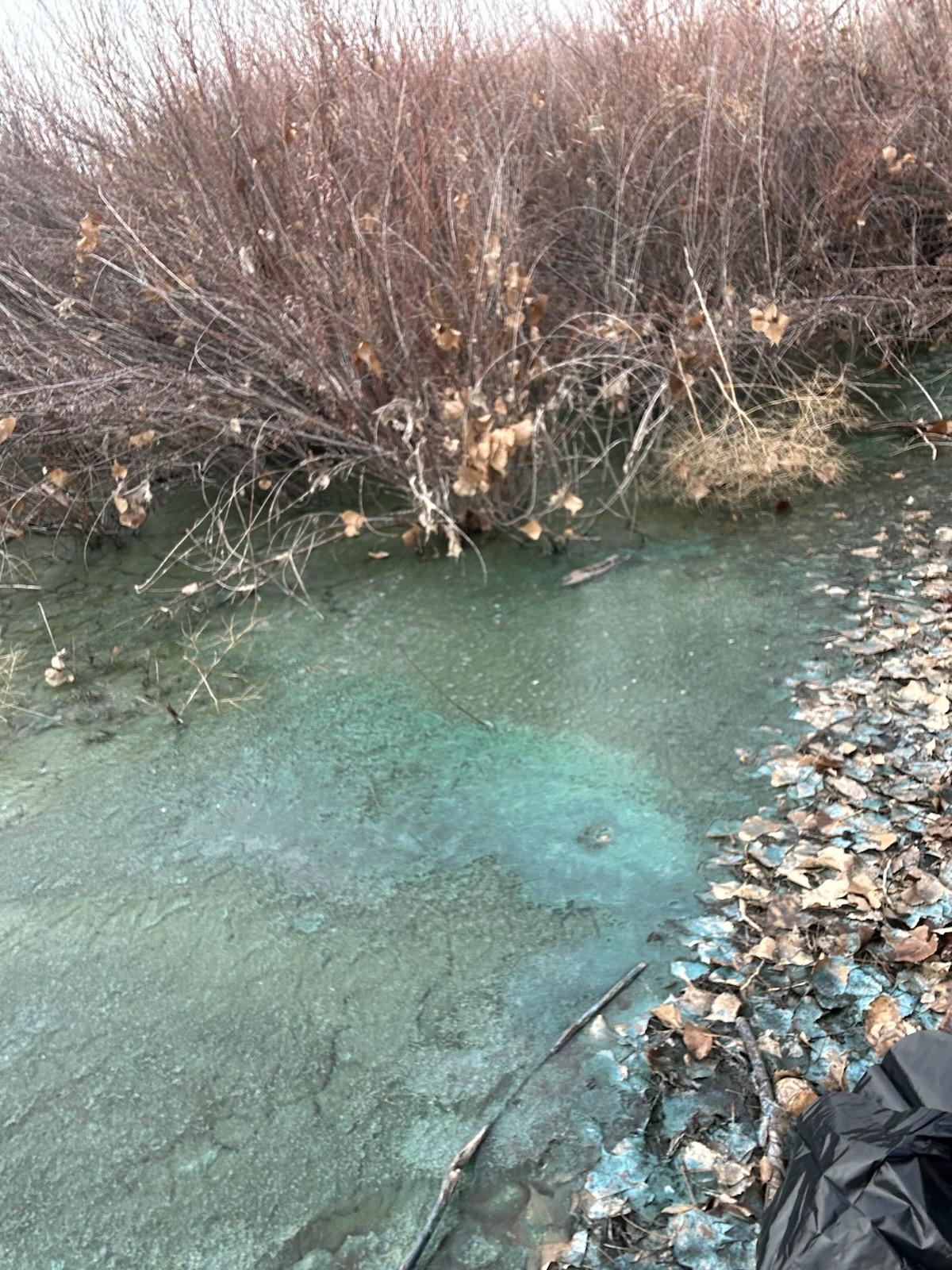
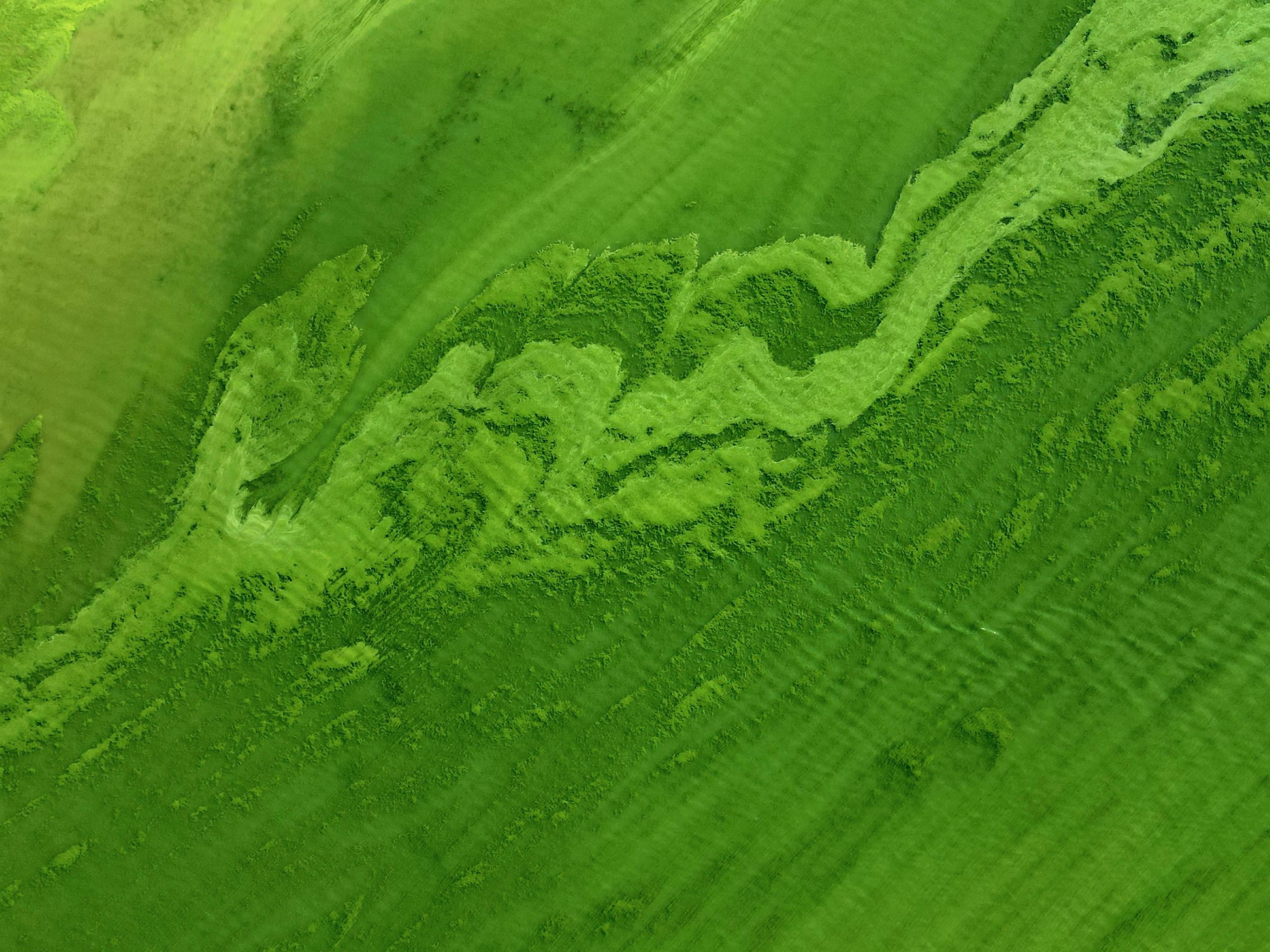
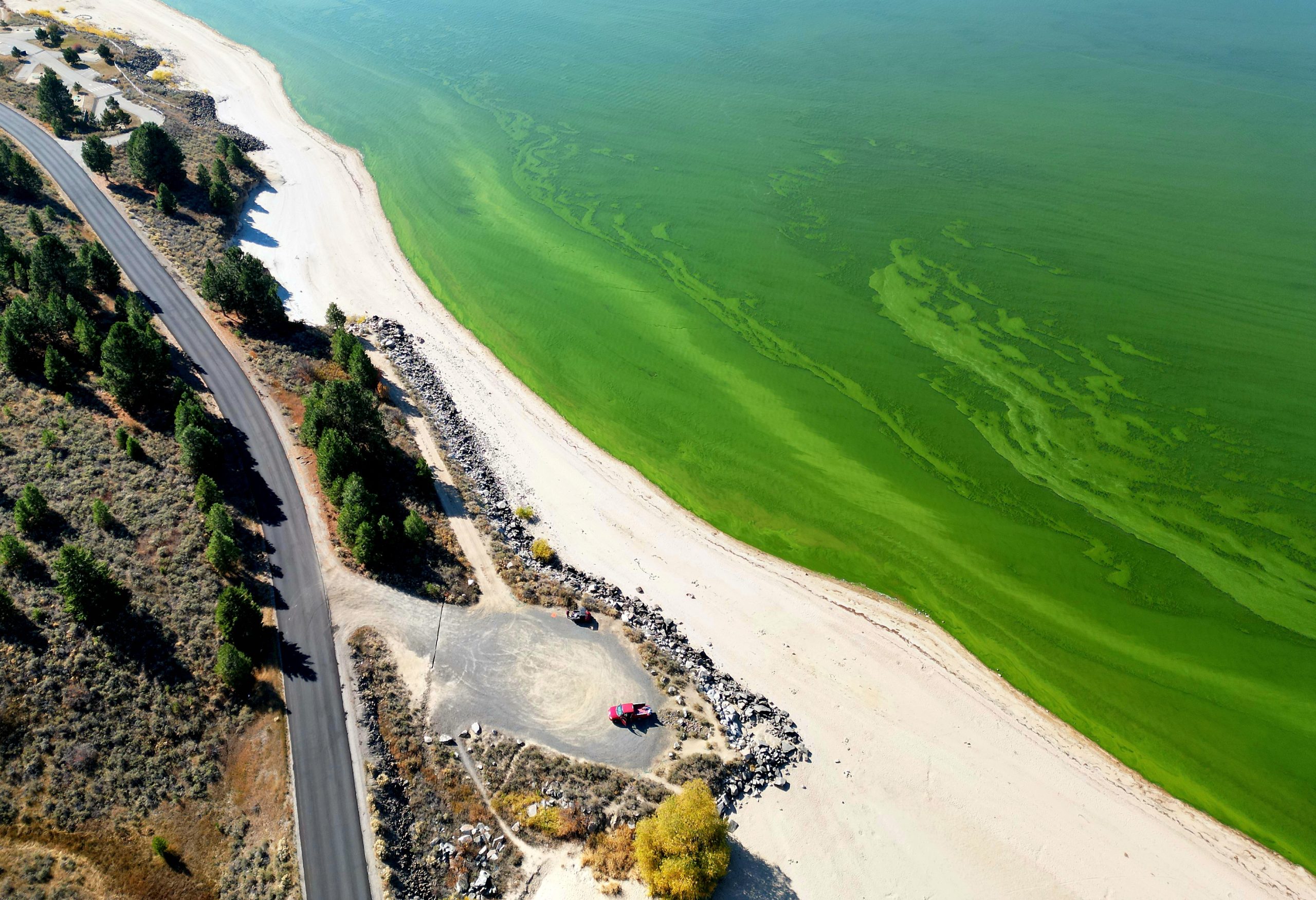
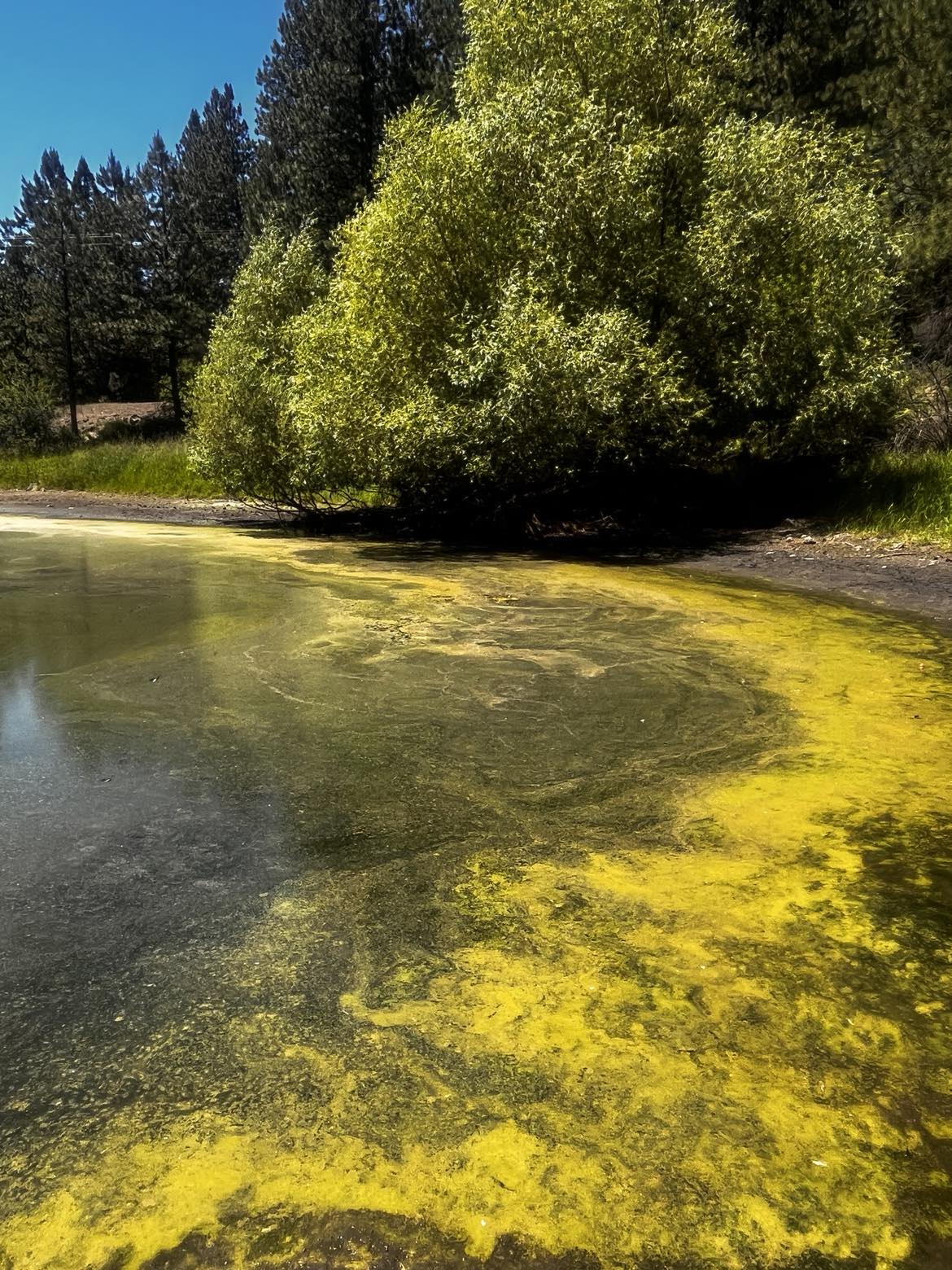
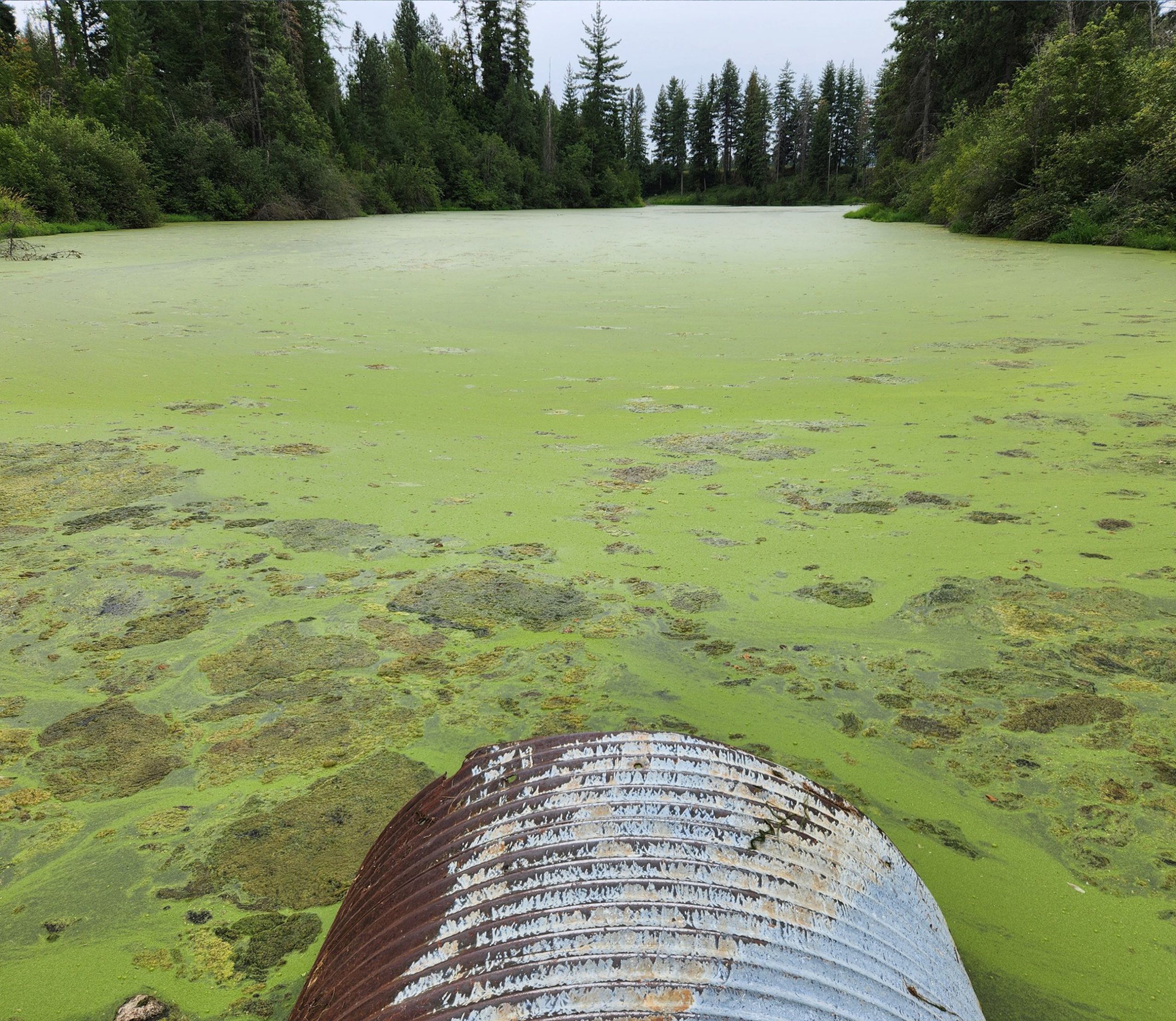
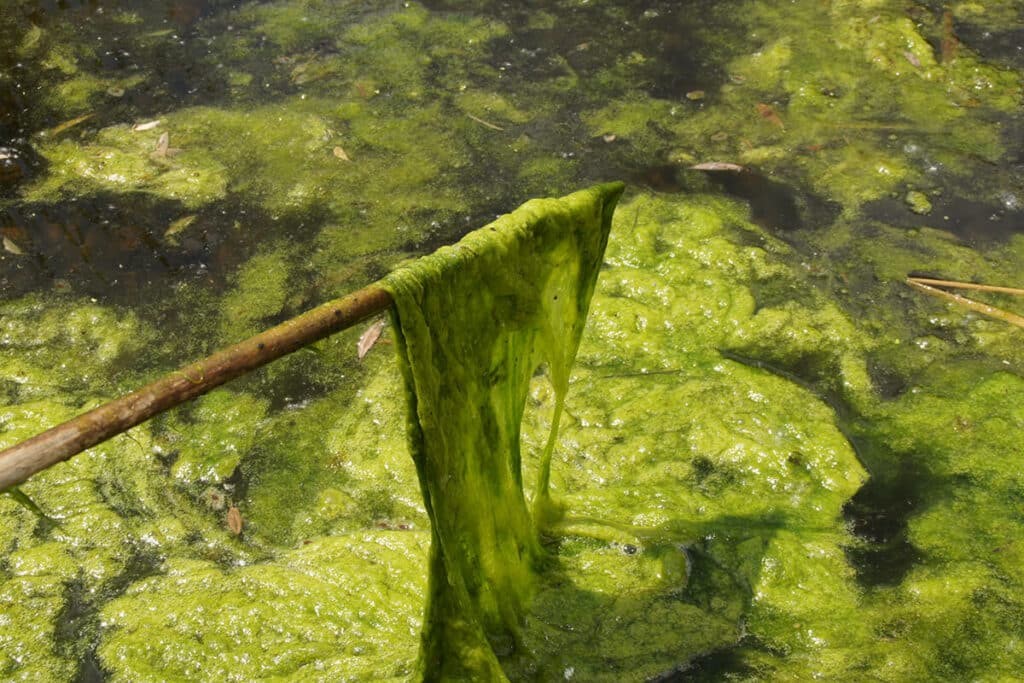
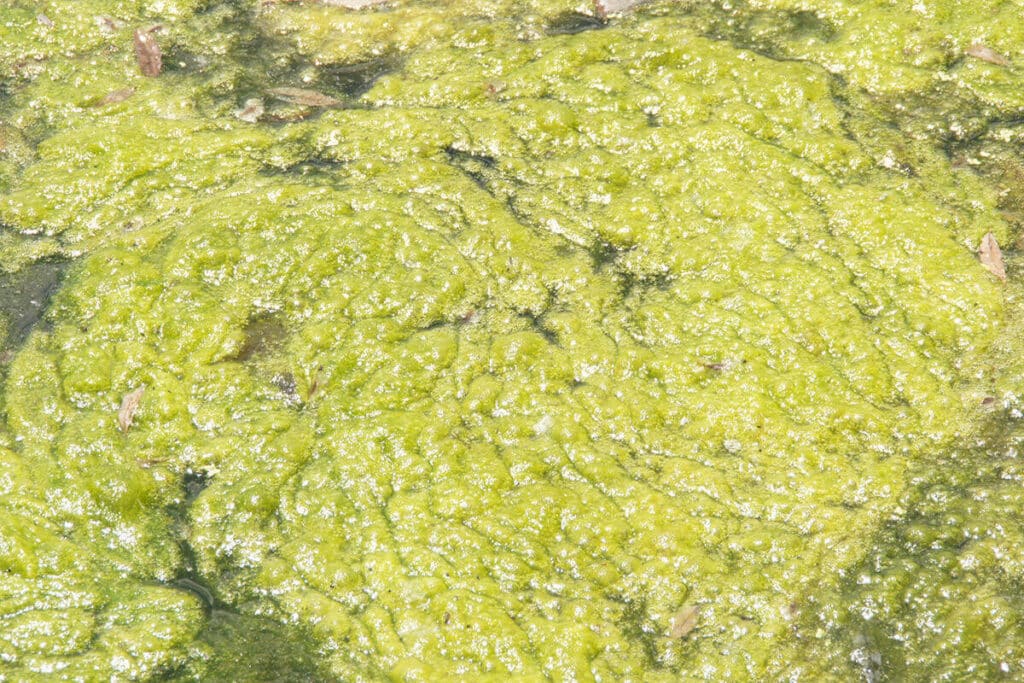
Cyanobacteria are photosynthetic bacteria that are ubiquitous in nature and are found in surface waters. Environmental conditions can promote excessive growth of cyanobacteria which can lead to high cyanobacterial cell density, known as blooms. Some cyanobacteria, but not all, have the ability to produce toxins known as cyanotoxins. The abundance of toxin-producing cyanobacteria can vary within the overall cyanobacteria population, from waterbody to waterbody, and over time within a single waterbody.
DEQ tests for the number of cyanobacteria present in a sample of water and, when possible, the cyanotoxin levels. While studies on the health outcomes of human exposure to high densities of cyanobacteria cells are inconclusive, some studies have shown adverse inflammatory health effects. Cell density advisories are an additional measure that can protect against exposure to high densities of potentially toxic-producing cyanobacteria.
Types of Cyanotoxins
DEQ follows thresholds as recommended by EPA for two types of cyanotoxins, Microcystins and Cylindrospermopsin. Since Microcystis is a genus of cyanobacteria that is known to be a high producer of cyanotoxins, DEQ also follows a cell density threshold for that group of cyanobacteria.
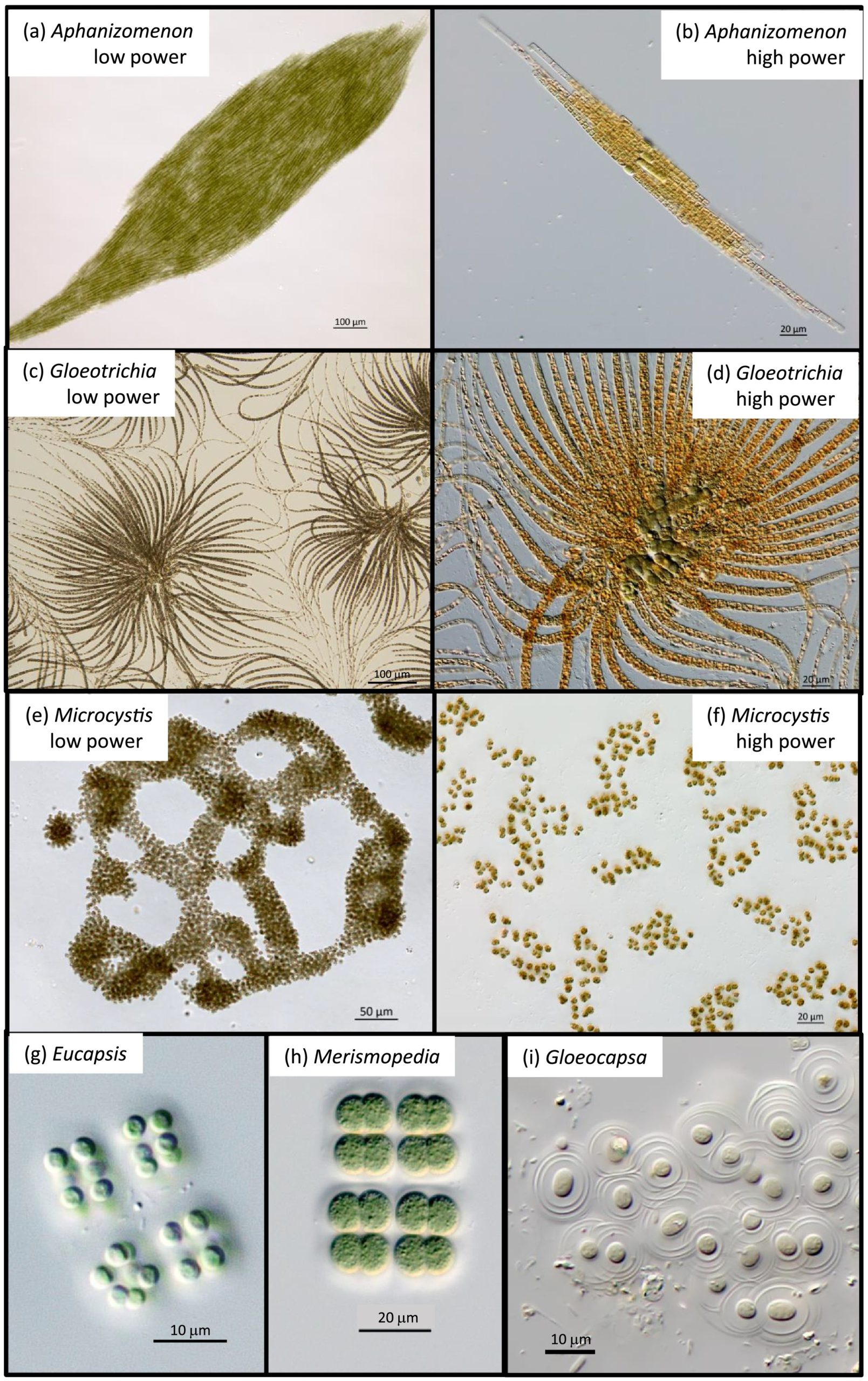
Microcystins are a type of cyanotoxin that can be produced by a variety of toxic-producing cyanobacteria genera, including Microcystis, Anabaena, Dolichospermum, Nostoc, Oscillatoria, Fischerella, Planktothrix, and Gloeotrichia. Some of these species can be distributed through the water column, concentrate in the upper layers, or form surface scum depending on environmental conditions. Microcystins typically have a half-life of four to 14 days in surface waters or may persist longer, depending on factors such as photodegradation, bacteria, and the presence of organic matter. Microcystins can persist even after a toxic cyanobacterial bloom is no longer visible.
Cylindrospermopsin is a cyanotoxin that can be produced by a variety of toxic-producing cyanobacteria species, including Cylindrospermopsis raciborskii, Aphanizomenon, Anabaena, Lyngbya wollei, and Raphidiopsis. Some of these species tend not to form visible surface scums, and the highest concentrations of total cyanobacterial cells typically occur below the water surface. The biodegradation of cylindrospermopsin in natural water bodies is a complex process that can be influenced by many environmental factors, including toxin concentration, water temperature, sunlight, and the presence of other bacteria. Half-lives of 11 to 15 days and up to eight weeks have been reported for cylindrospermopsin in surface waters.
Image (click to enlarge): Example microscope images for 6 of the 12 genera of cyanobacteria. From Legleiter et al., 2022
Cyanotoxins in Drinking Water
EPA is determining whether to regulate cyanotoxins in drinking water due to updated health information and occurrence data. EPA included several types of cyanotoxins in their fourth Unregulated Contaminant Monitoring Rule (UCMR4), which requires all public water systems utilizing surface water or ground water influenced by surface water and serving over 10,000 customers to monitor for certain cyanotoxins. UCMR4 also applies to some smaller systems.
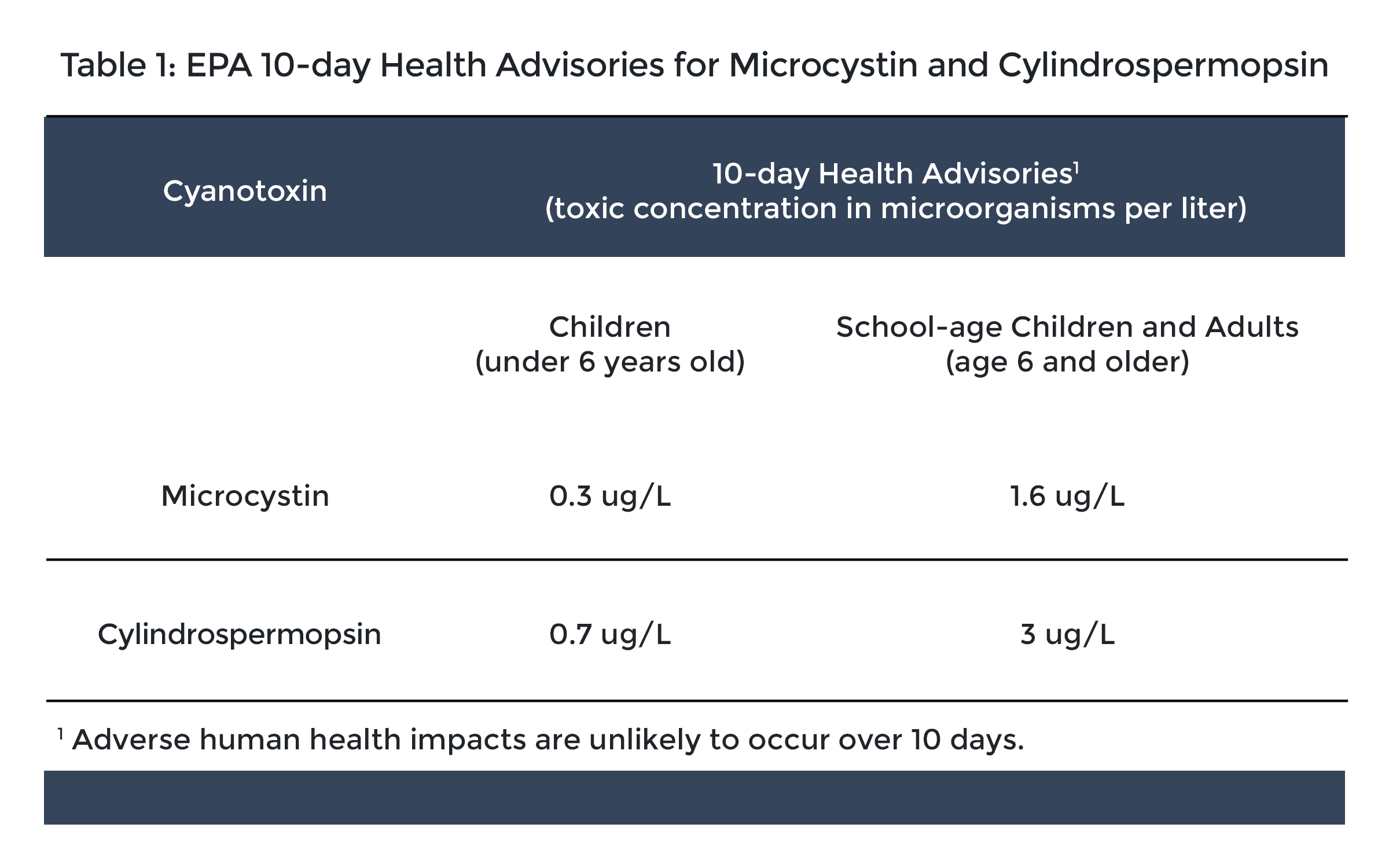 Cyanotoxin health advisory levels – In 2015, EPA established health advisory levels for two cyanotoxins: microcystin and cylindrospermopsin. Health advisory levels are recommended contaminant levels meant to provide a margin of protection for all water system users based on a specified exposure time from adverse health effects resulting from the contaminant. When these toxins are found in drinking water, the concentrations should be compared with the health advisory levels.
See EPA’s website for health advisory information for cyanotoxins.
Health effects of cyanotoxins – Adverse health effects from cyanotoxins depend on many factors, including the type of cyanotoxin(s) present, duration of exposure, and the age and health of the individual. Cyanotoxins may affect the liver, nervous system, or skin, depending on the toxin. Health effects from cyanotoxin exposure range from skin rashes to liver and nerve damage. No human deaths in the United States have been caused by cyanotoxins, however, pet, livestock, and wildlife deaths caused by cyanotoxins have been reported throughout the United States and the world.
If you concerned about your health or have symptoms, contact your healthcare provider.
Public water systems monitoring for cyanotoxins in Idaho – Public water systems are not required to monitor for cyanotoxins. Some systems may voluntarily monitor for cyanotoxins. Contact your public water system to find out if they monitor for cyanotoxins.
Removing cyanotoxins from water – Boiling water will not remove cyanotoxins and will concentrate the toxins.
If your drinking water has been impacted by cyanotoxins and a “Do Not Use” or a “Do Not Drink” order has been issued, use an alternative source of water for drinking.
Point-of-use devices can be used to reduce levels of microcystins. National Sanitation Foundation International developed NSF Protocol 477: Drinking Water Treatment Units – Microcystin that verifies a water filter’s ability to reduce microcystin below the health advisory levels set by EPA.
Treatment devices require regular maintenance such as changing filters, cleaning scale buildup, or disinfecting the unit. Failure to properly maintain a unit reduces its effectiveness and, in some cases, may further impair the water quality. Follow the manufacturer’s recommendations for replacements and maintenance.
Once a cyanotoxin-related health advisory is lifted, you should flush all of your household plumbing and replace all water filters in the house to remove toxins:
- Run and flush hot water taps for 15 minutes and all cold water taps for 5 minutes.
- Change all filters on point of use units, point of entry systems, refrigerator water filters, and membranes for reverse osmosis units.
- Ensure all faucets and plumbed appliances have been flushed.
- Additional flushing instructions.
Additional Resources