
Project Sponsor
Idaho Department of Environmental Quality
Purpose
This project determines if key contaminants, currently present in sediments and recreational waters in Coeur d’Alene Lake and the Spokane River, may cause harm to public health. This is a screening level assessment to identify areas where a closer look may be warranted in the future. This project is based on a recommendation from the 2022 National Academies of Sciences report and includes a public outreach and sampling component.
Engagement
DEQ is leading this project and began planning activities and stakeholder engagement in 2023 with Alta Science and Engineering, Inc. Efforts included gaining input from the public, state and federal officials, and tribal leaders through a questionnaire, press release, and comment opportunities. Results have been presented at public meetings in 2025 and 2026.
Sampling
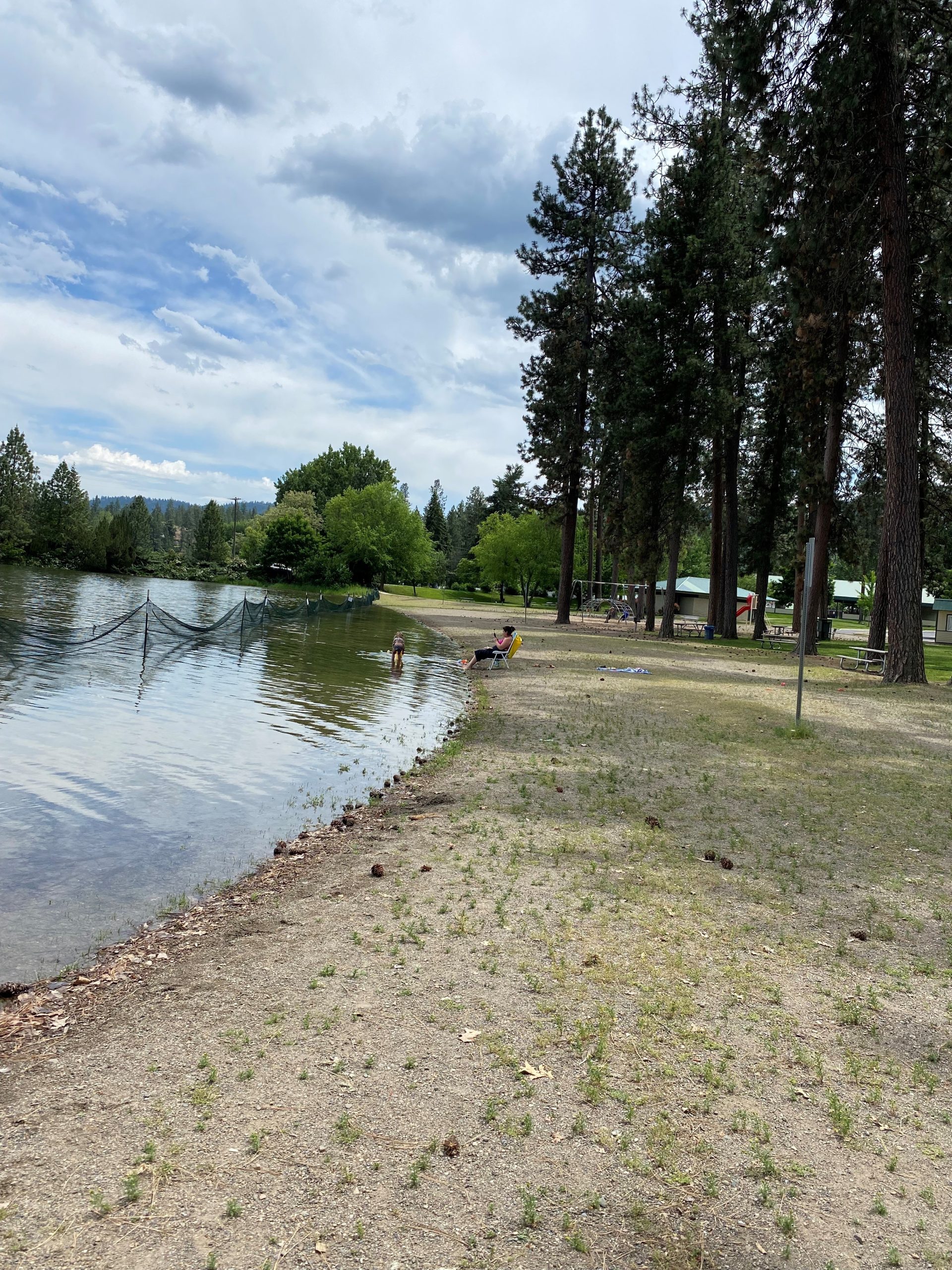
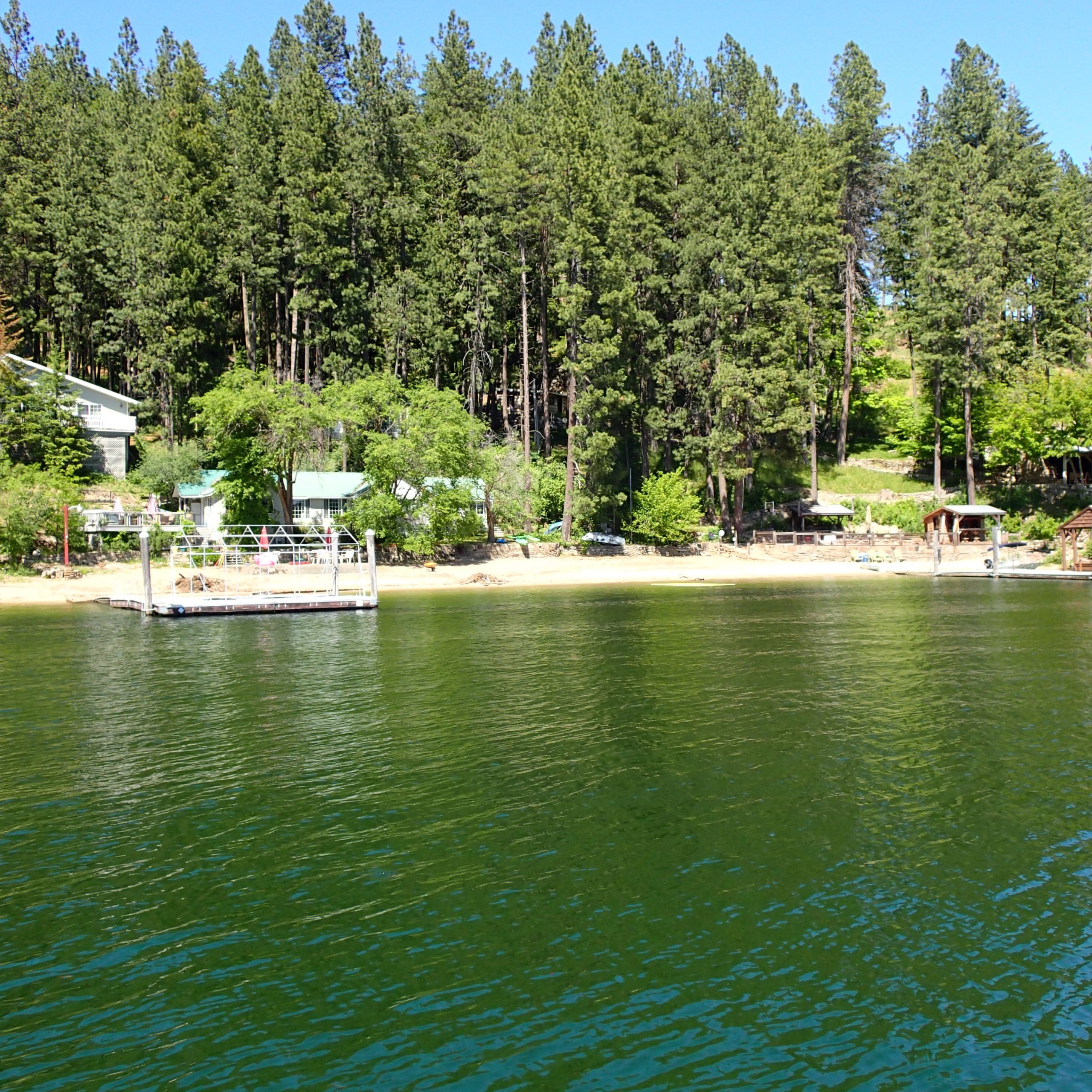
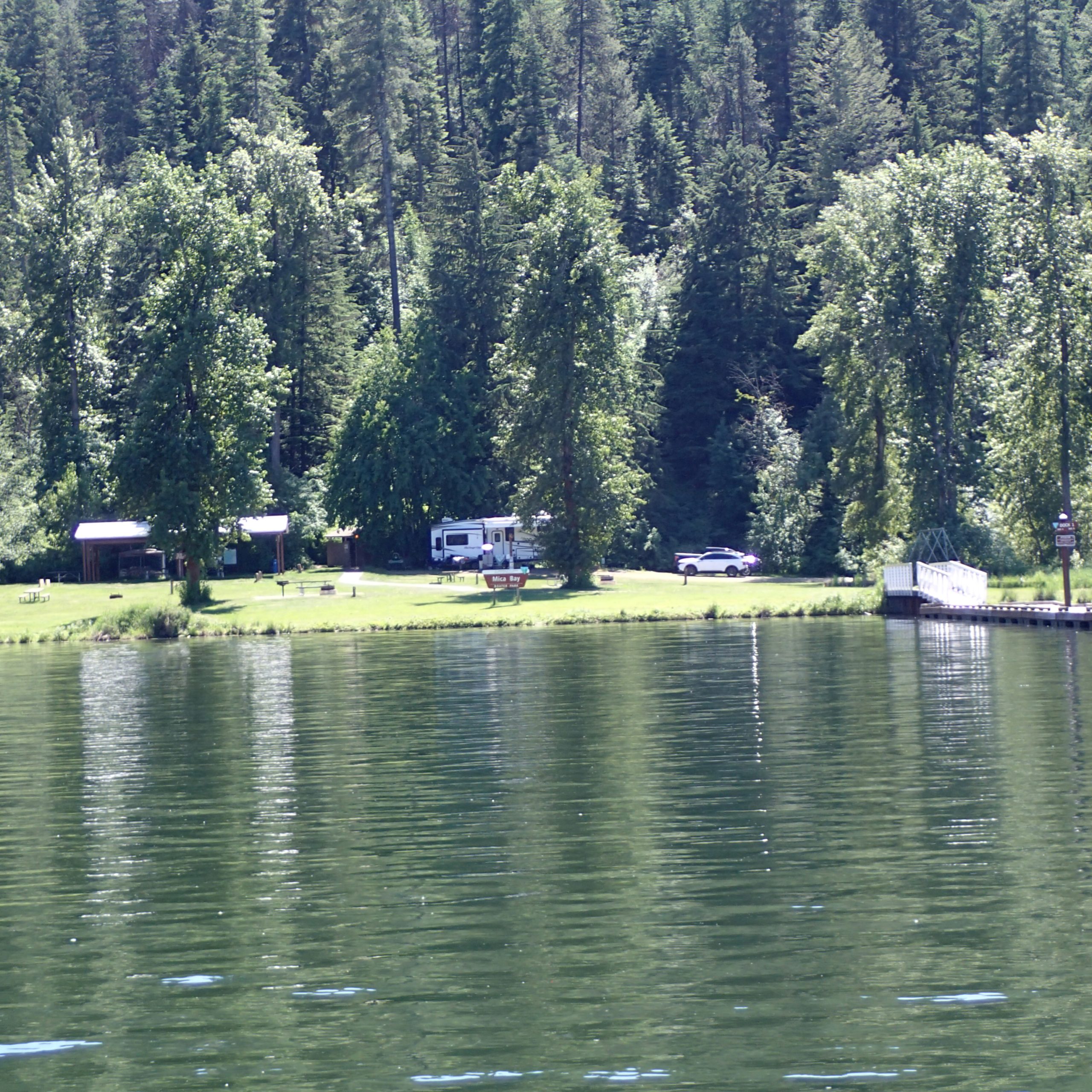
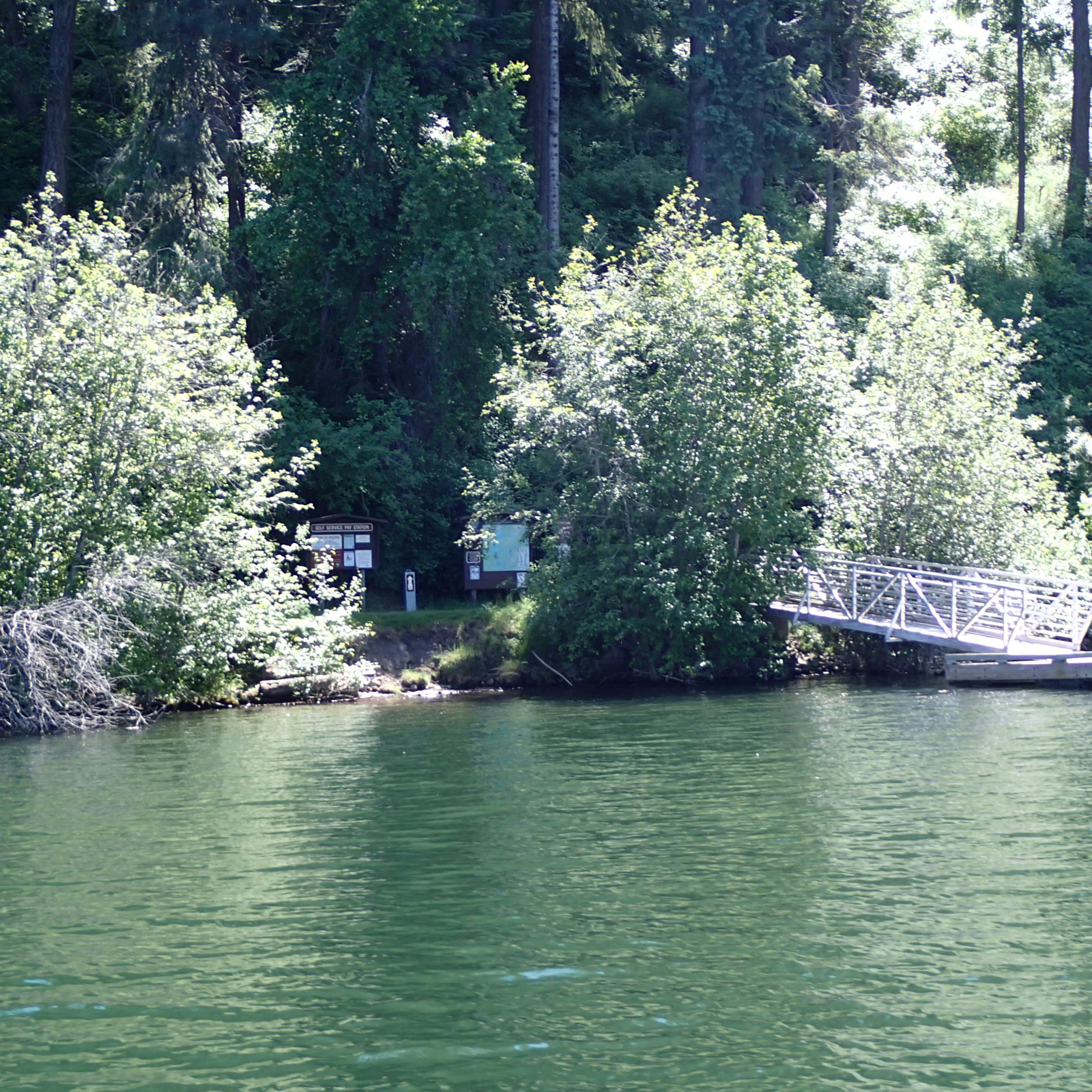
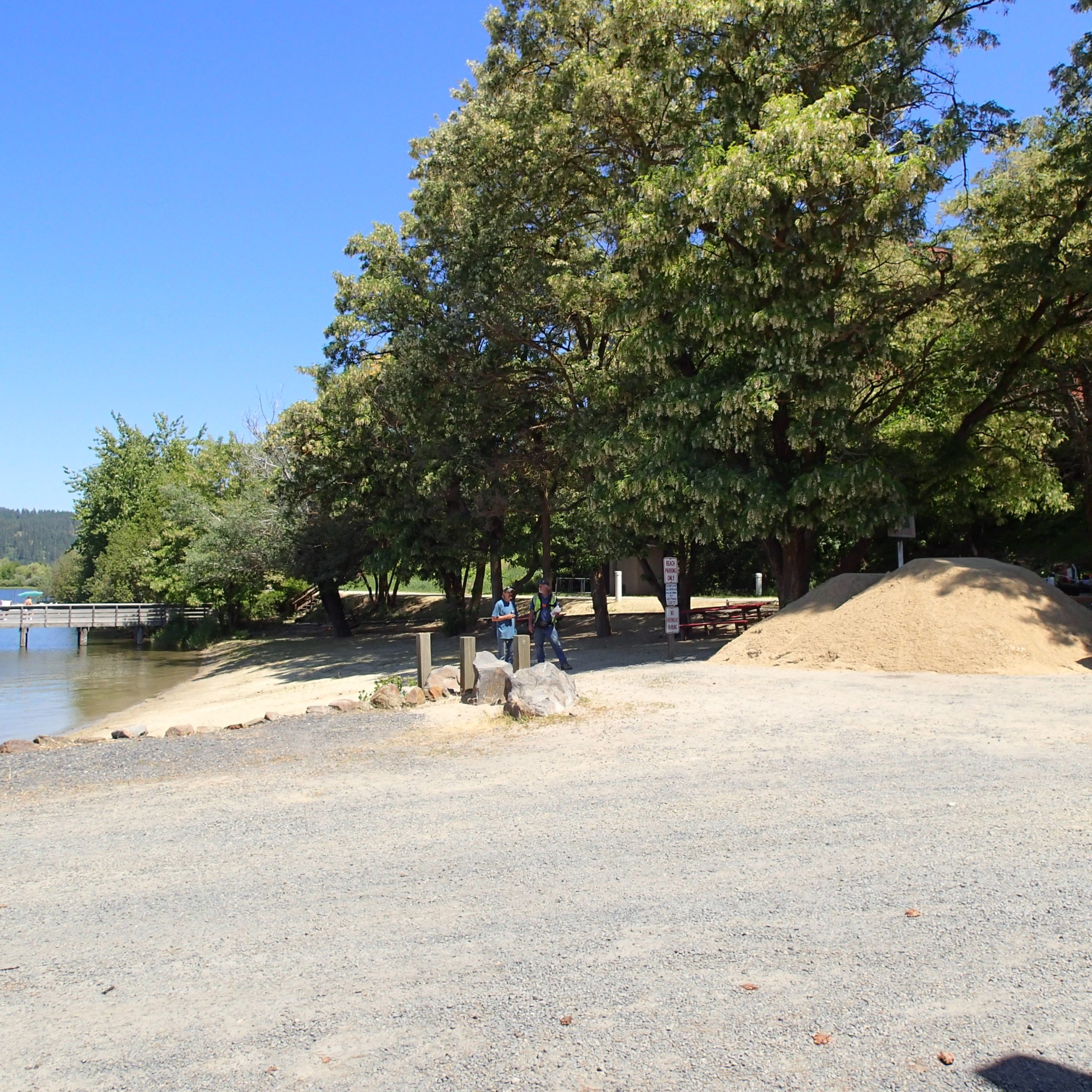
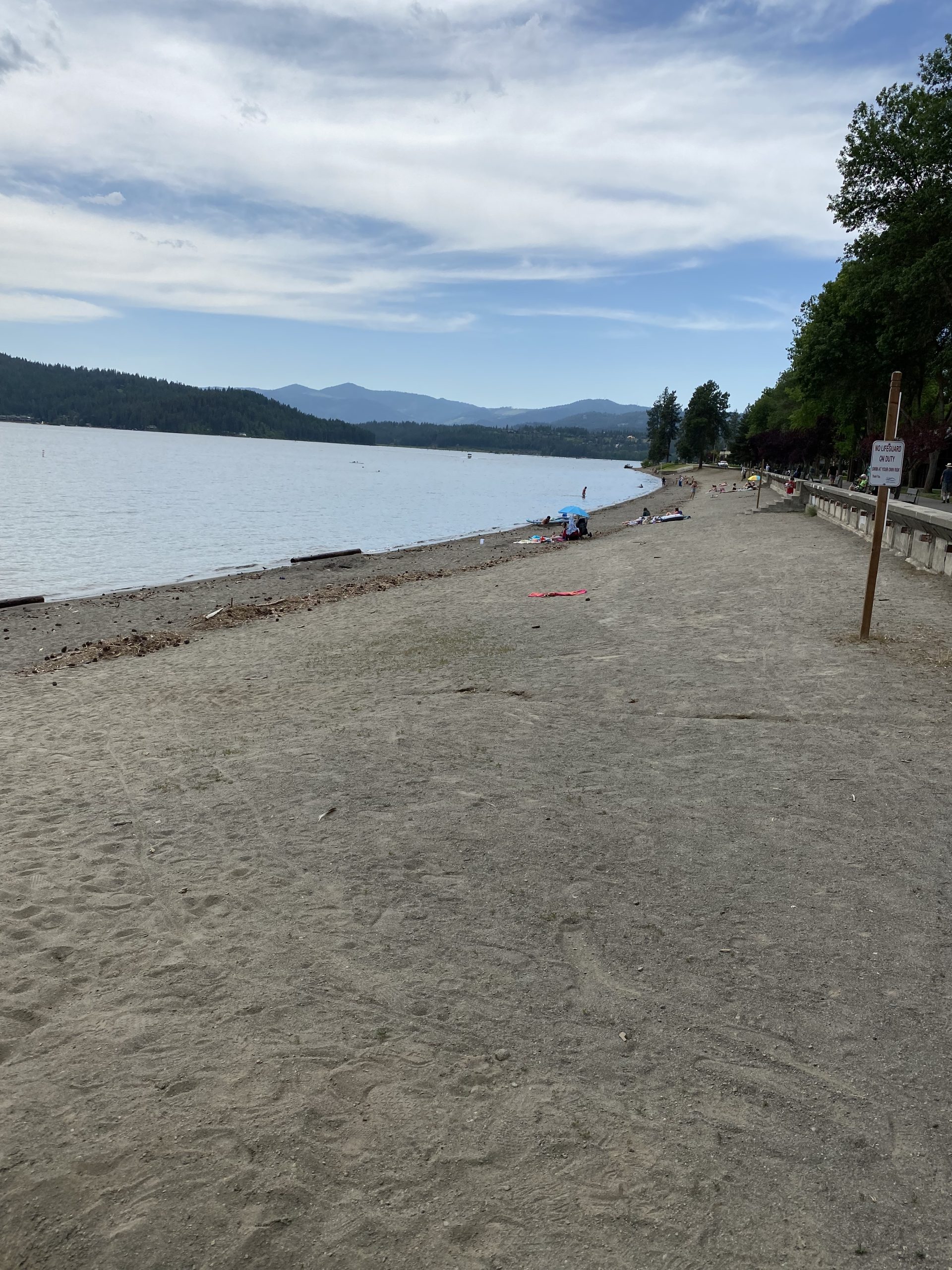
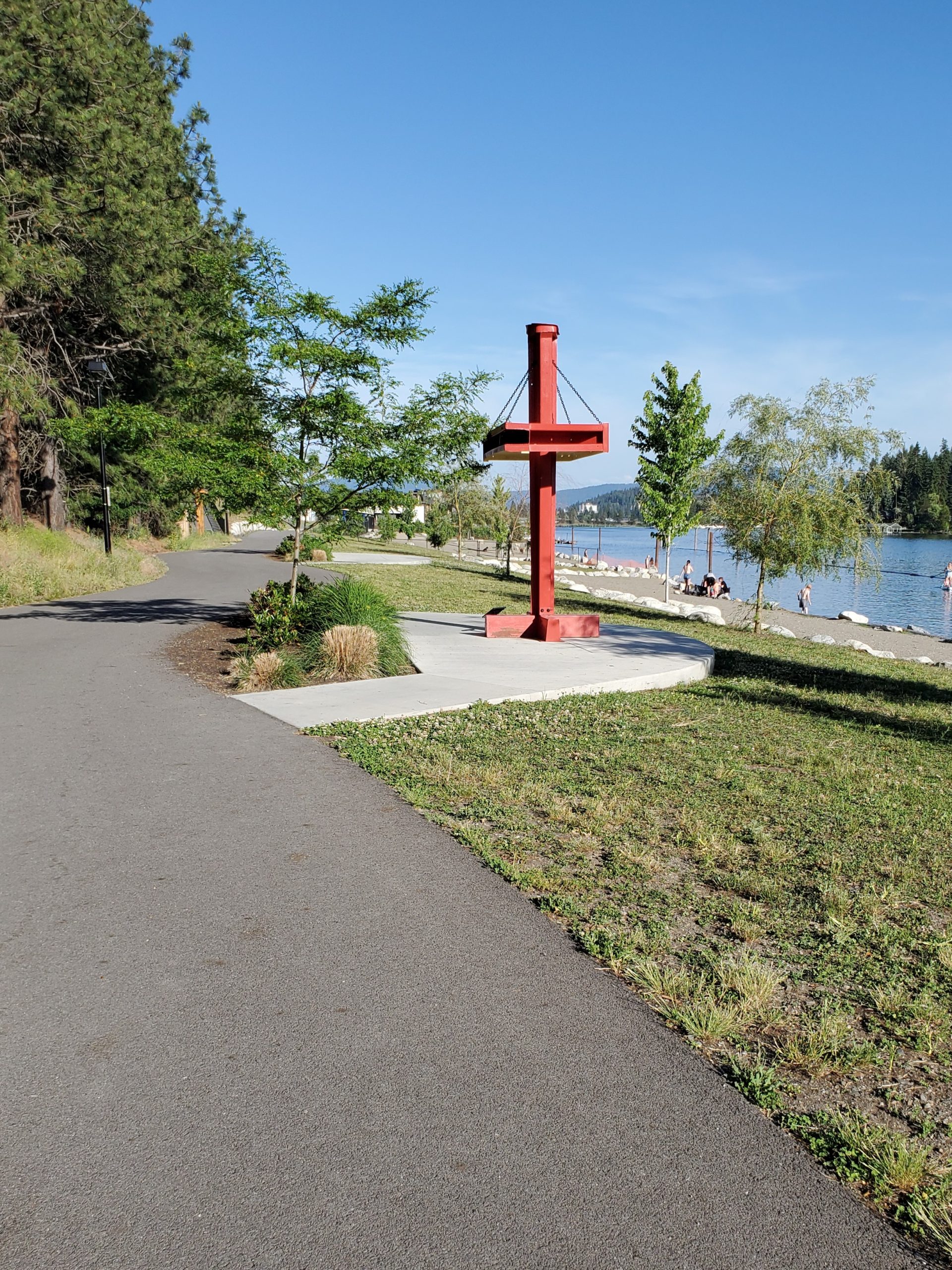
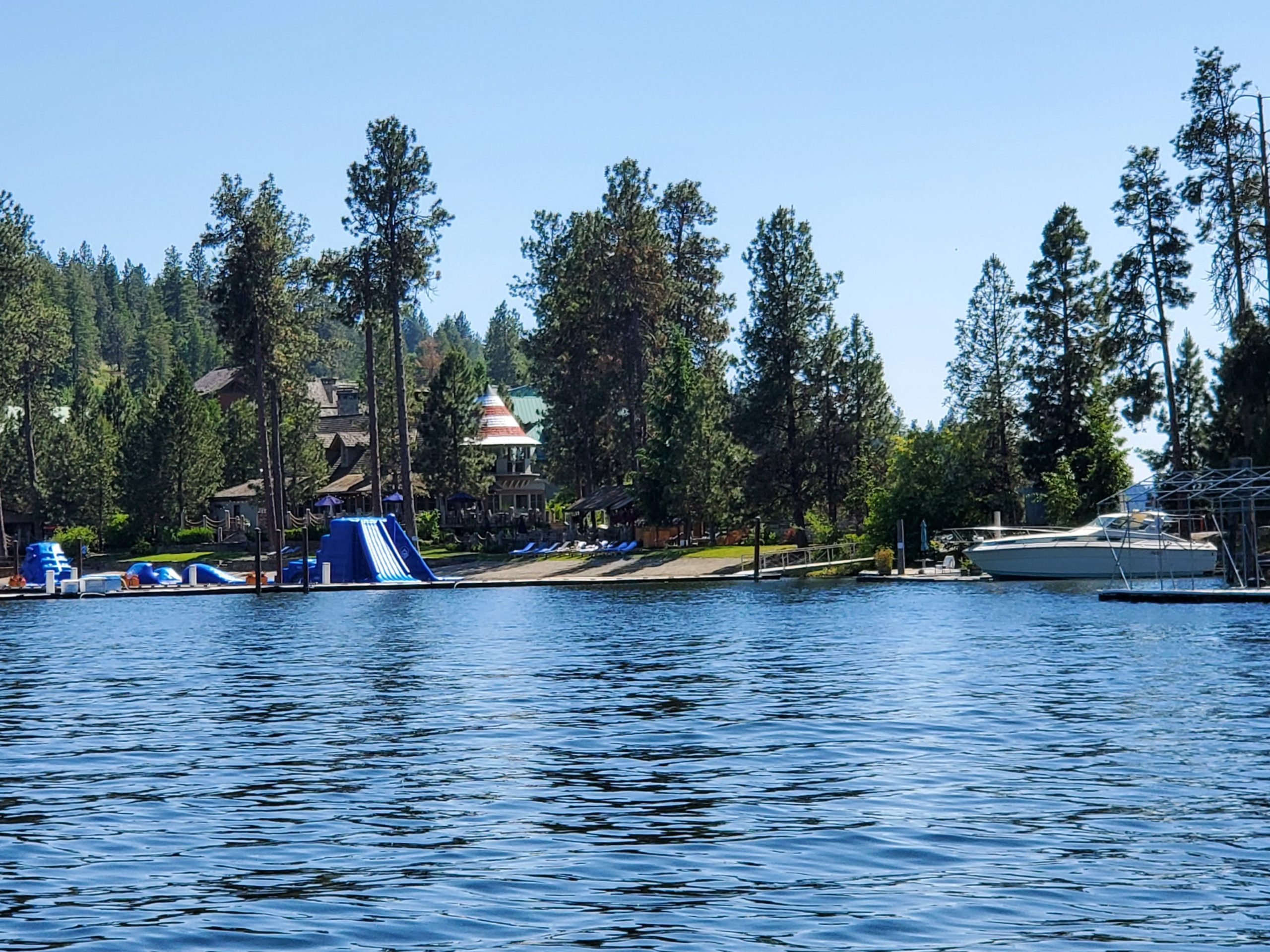
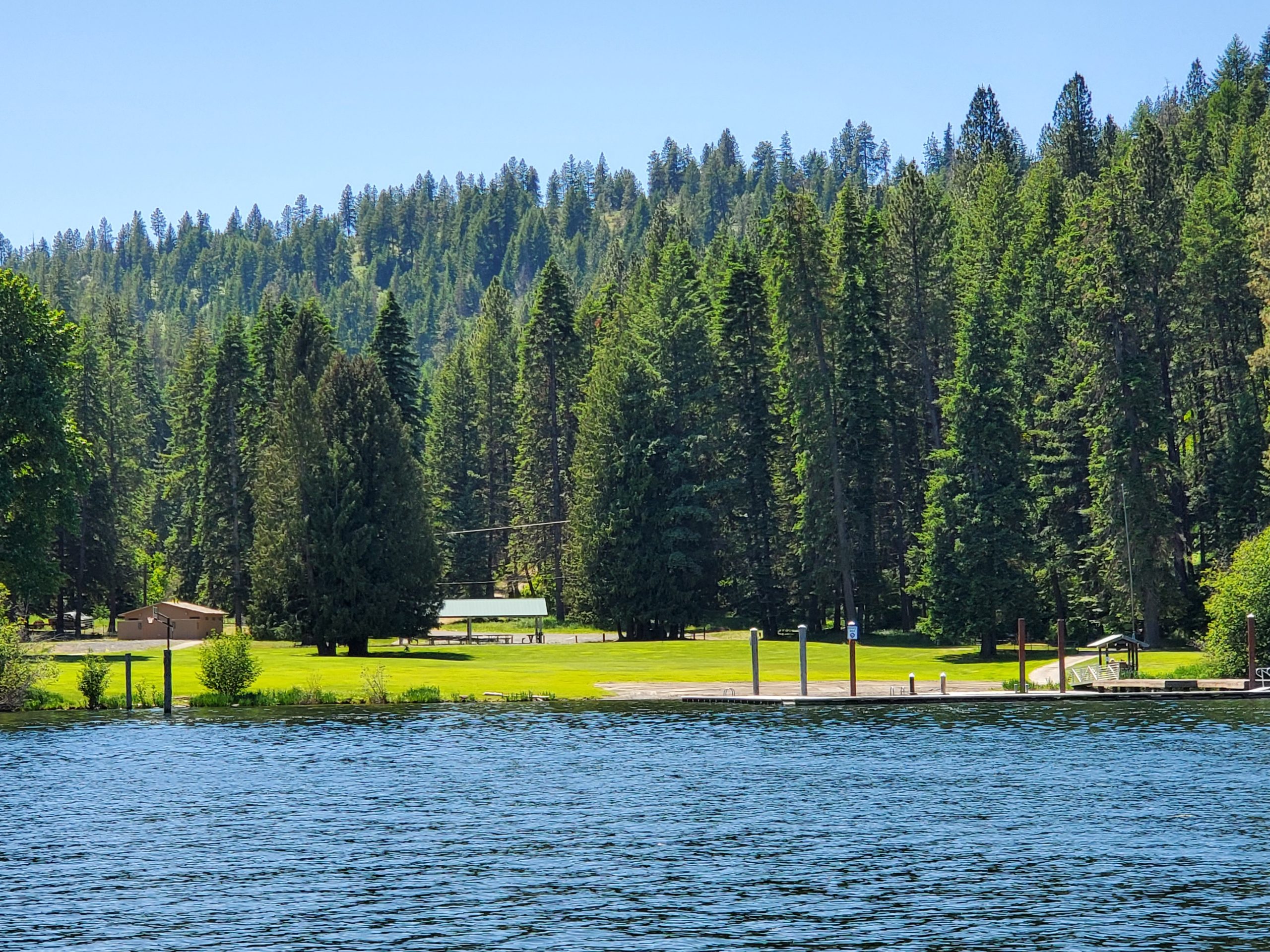
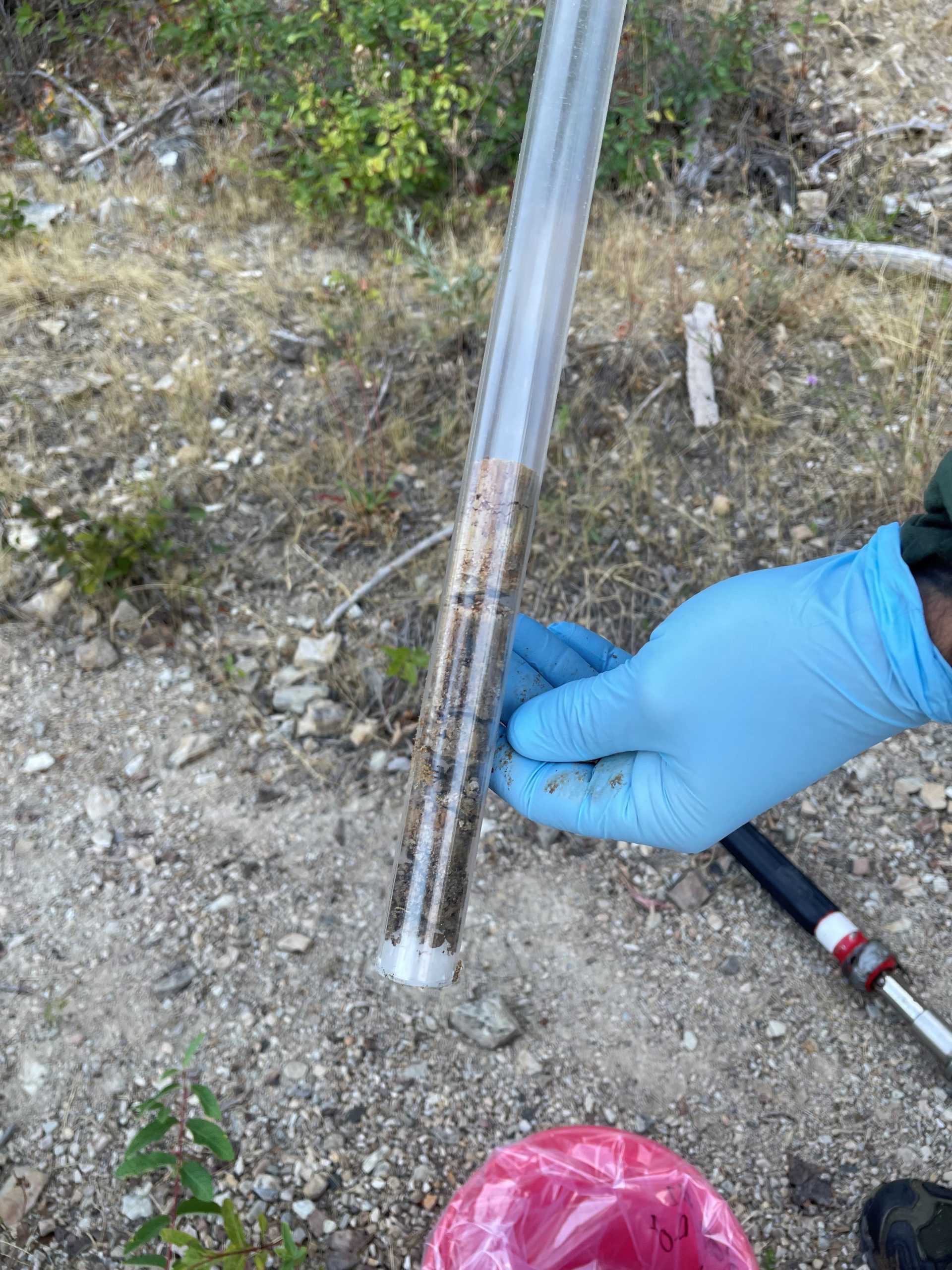
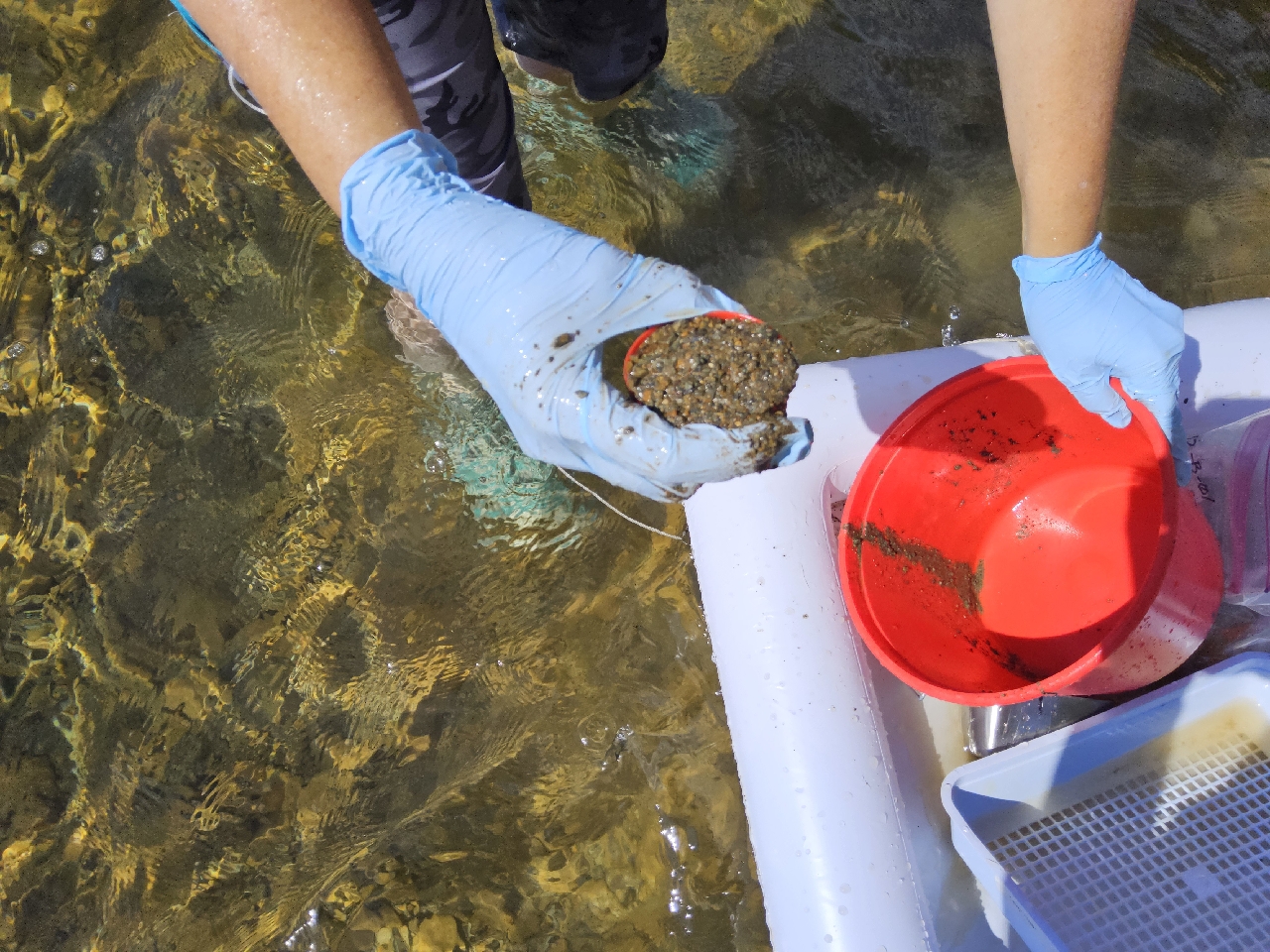
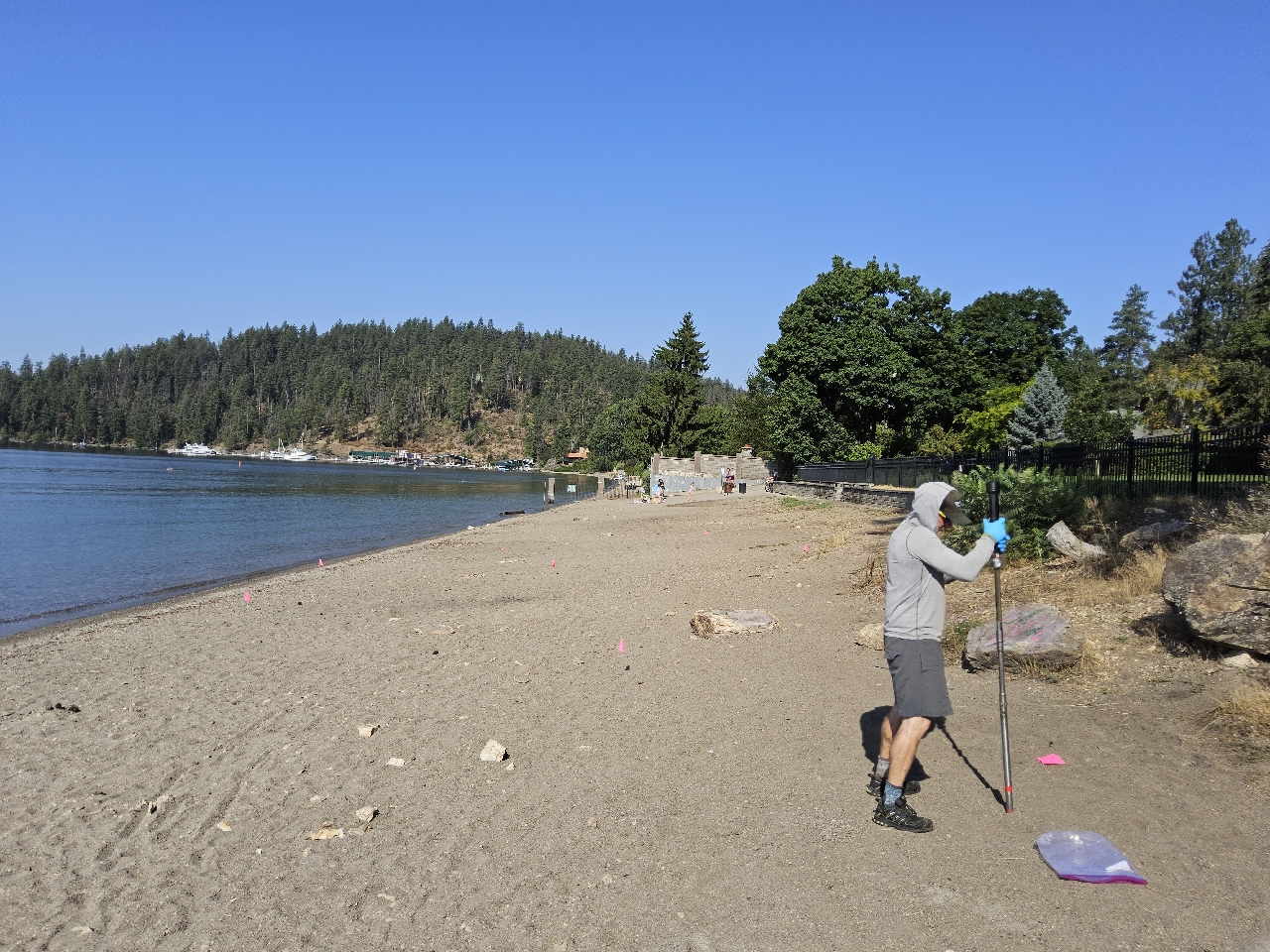
Environmental sampling for the 2025 report occurred at 32 sites in summer 2024. Based on public engagement activities in 2023, monitoring focused on high-use areas at Coeur d’Alene Lake and along the Spokane River. Samples collected included beach sediment, sediments in shallow water areas, lake water near recreational areas, and some upland soil. Results have been analyzed to determine if recreation on and around these water bodies may pose human health risks.
Funding
This project received $855,000 from Governor Little’s Leading Idaho initiative.
Current Status
The reporting on the 2024 dataset is complete and published in the Risk-Based Evaluation of Selected Recreational Areas in Coeur d’Alene Lake and Spokane River. Additional samples were collected in fall 2025 and the reporting for those samples is complete and published in the Harrison Beach Addendum.
Outcome
These 2024 results have been compared to a similar 1998 field study, and results are very similar to those findings. Two areas were found to have lead levels above screening levels and background levels, and eleven sites had arsenic levels above recommended screening levels and background levels. However, all sites were below action levels for basin cleanup activities. The entire report is published in the Risk-Based Evaluation of Selected Recreational Areas in Coeur d’Alene Lake and Spokane River. Although concentrations of contaminants remain below action levels, it is recommended to adhere to safe play practices. These practices focus on minimizing exposure to potentially contaminated sediment through inhalation and ingestion and minimizing tracking the sediments into homes. Practices include washing hands, eating on tables or blankets in grassy areas, and cleaning belongings after playing at the beach. The 2025 results from Harrison Beach show that there are some lead exceedances in upland soil areas and nearshore water; these results support further evaluation and assessment as appropriate within the context of the Bunker Hill Superfund Site. The report from the Harrison Beach portion of the study is published in the Harrison Beach Addendum.