

Project Sponsor
Coeur d’Alene Tribe
Purpose
This project is a collaboration between the Coeur d’Alene Tribe, Idaho Department of Environmental Quality, University of Oregon, and Indiana State University. This team is analyzing lakebed sediment core samples from Coeur d’Alene Lake and determining how the history of metals contamination and recovery actions along the Coeur d’Alene River have impacted the lake. The analyses focus on geochemistry and ecological parameters through time and seeks to answer the following questions:
- What was the lake’s baseline ecology and environmental condition before mining impacts and other human activities?
- How has the lake’s ecology and environmental condition changed through the mining era and the subsequent remedial, restoration, and lake management work?
- If recent history continues, how do we expect the lake’s ecology and environmental conditions to respond, given the paleolimnologic context generated by this study?
Funding
This project received $200,000 from Governor Little’s Leading Idaho initiative, with matching funds provided by Avista Corp ($200,000) and the Coeur d’Alene Basin Restoration Partnership ($100,000).
Current Status
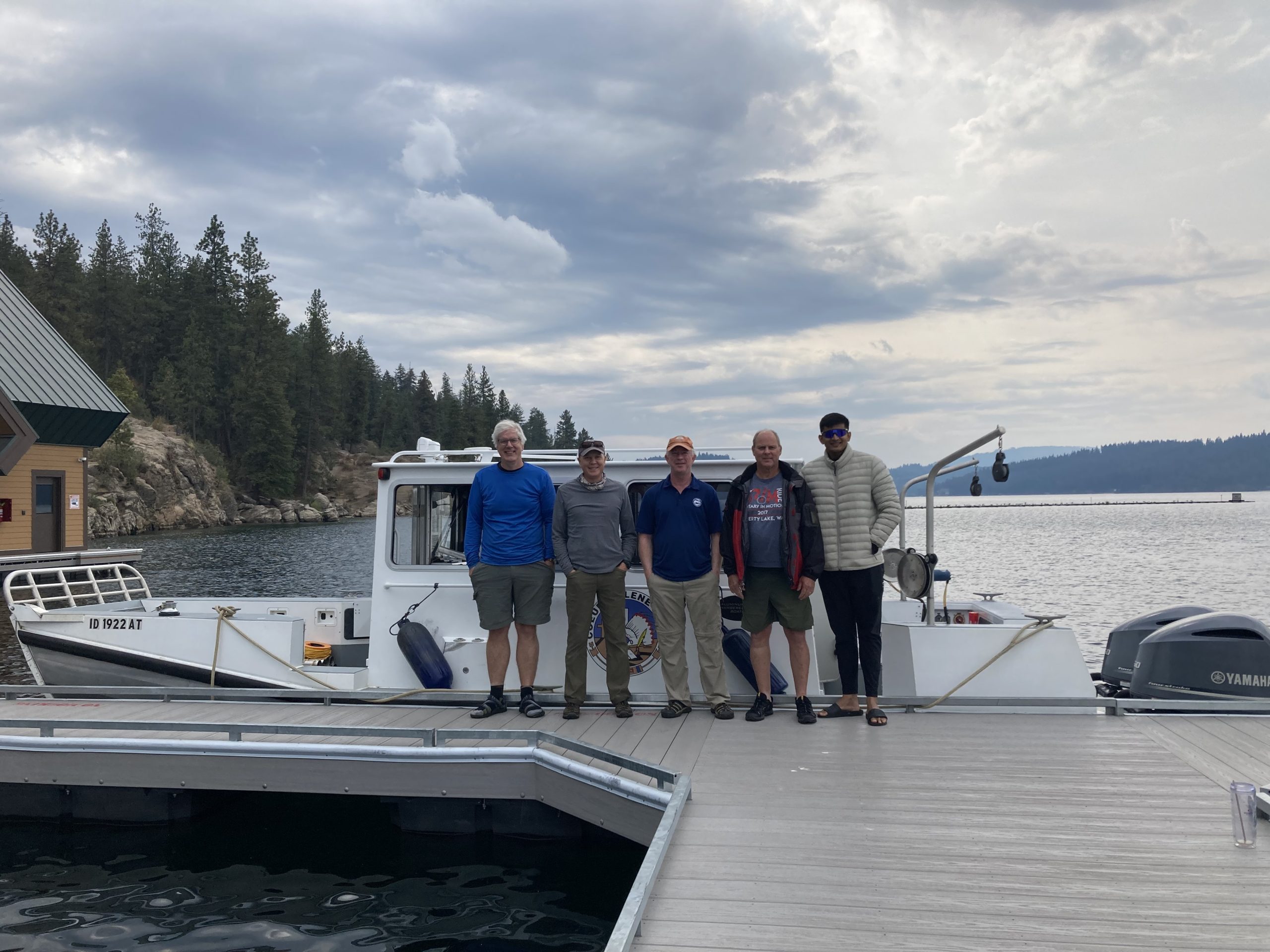
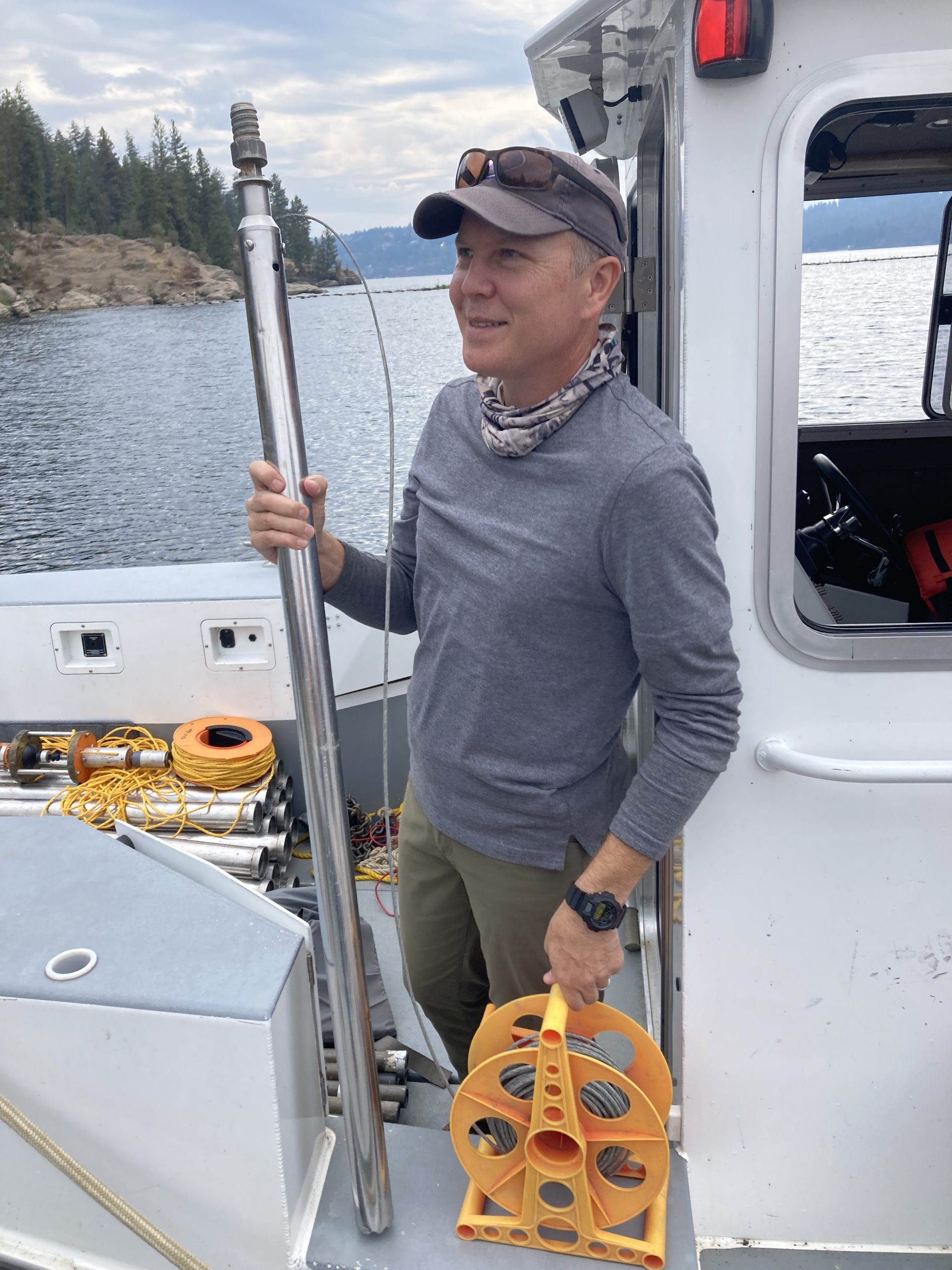
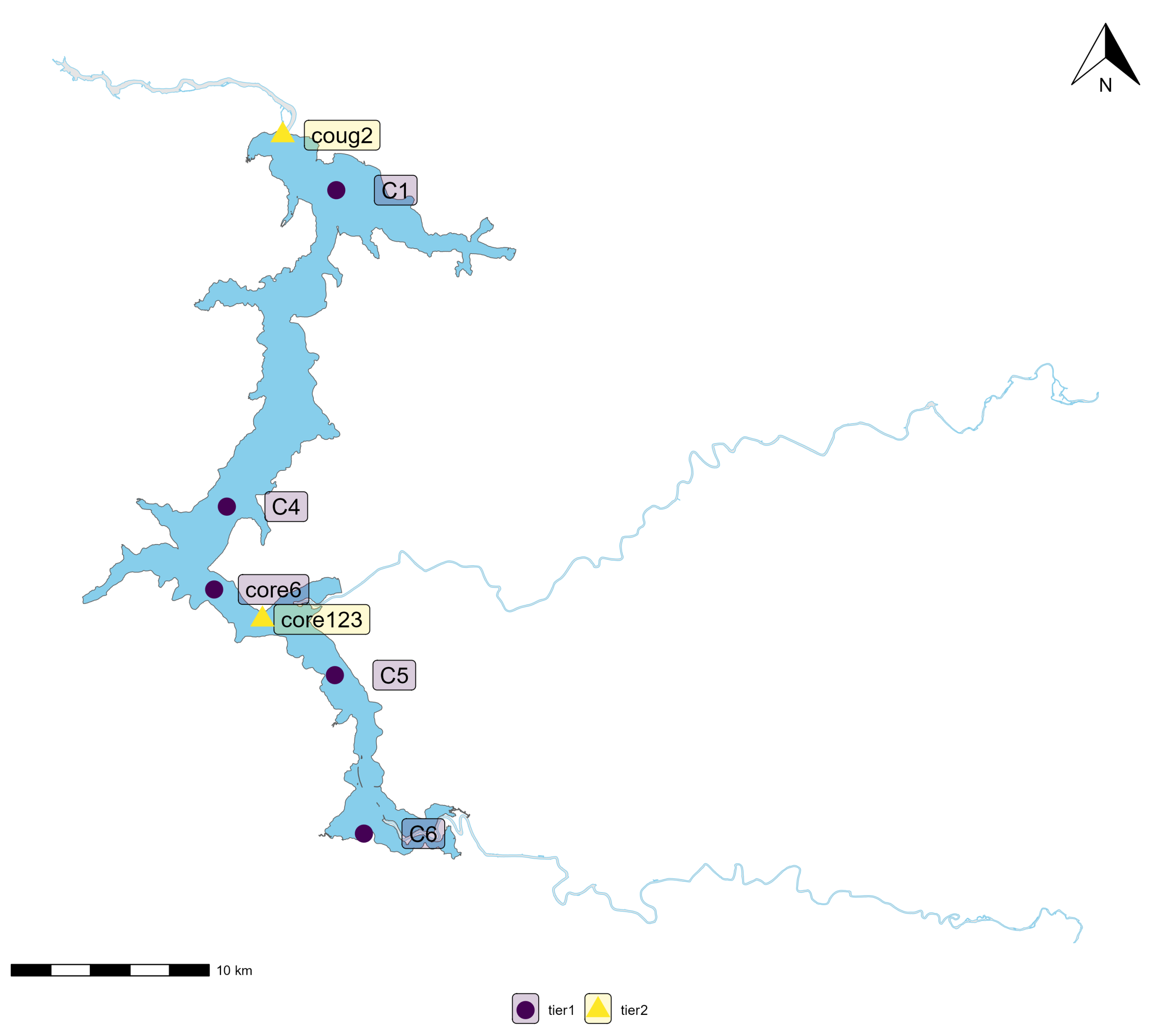
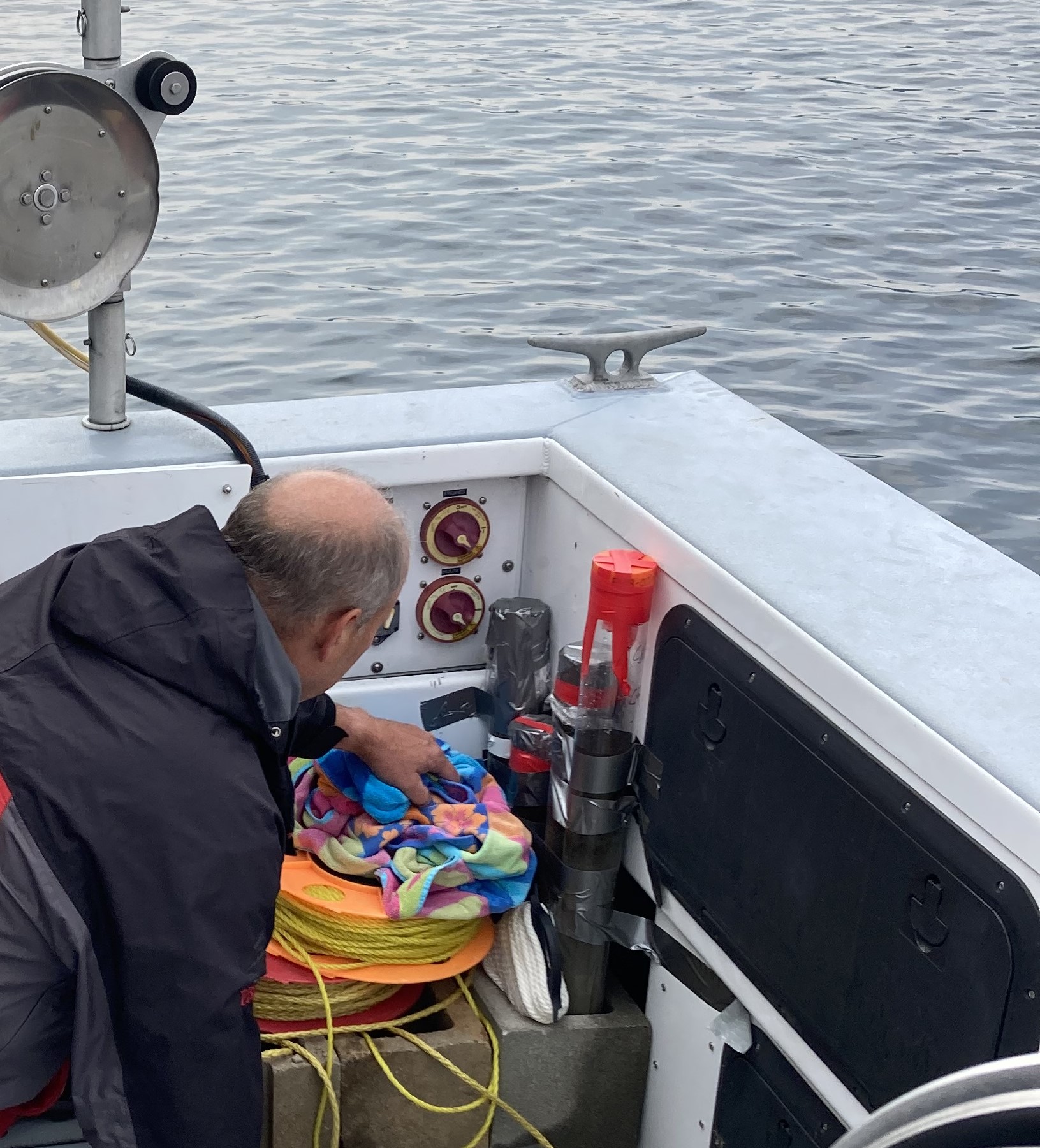
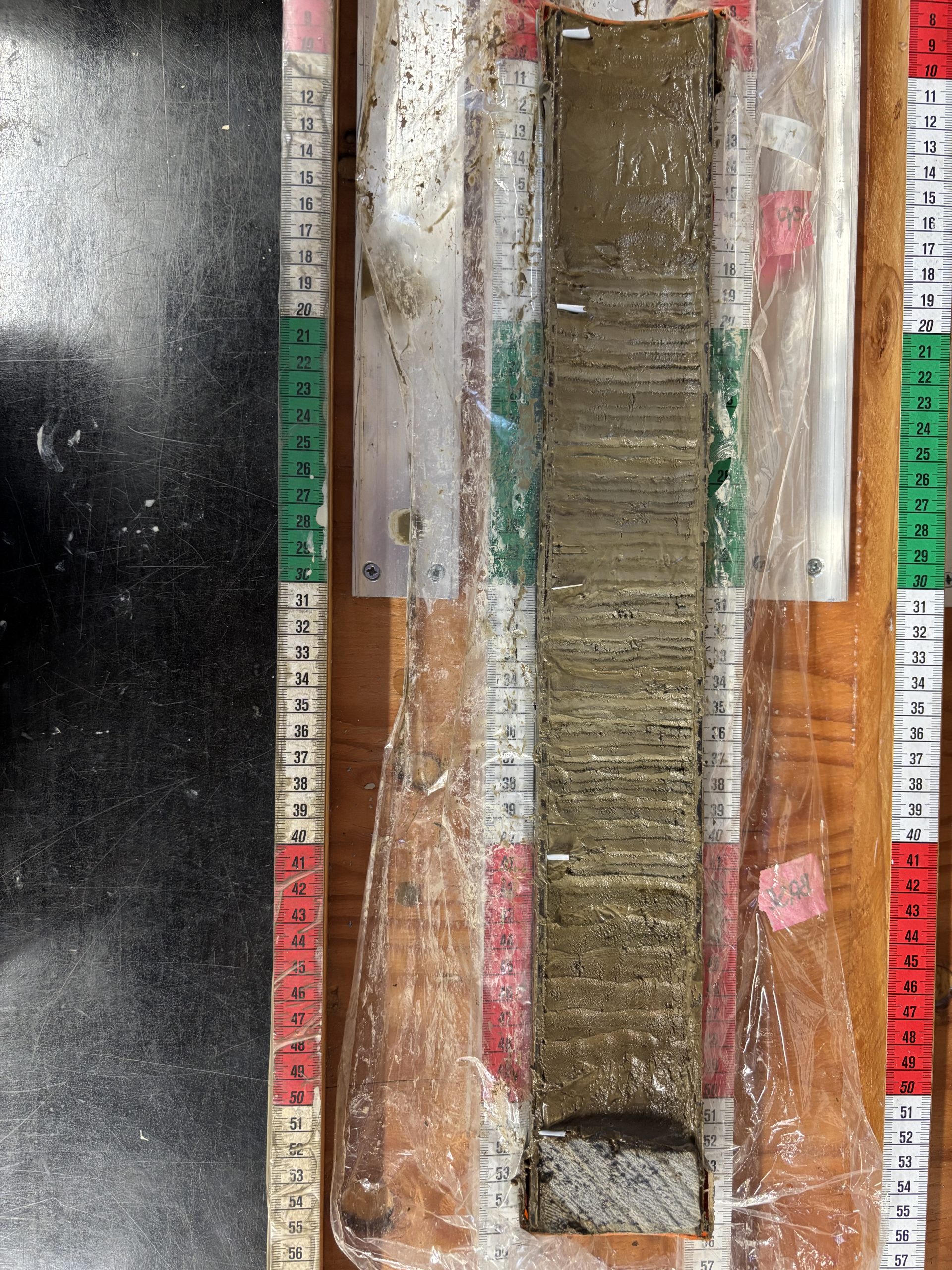
Five sediment core samples were collected in September 2024. Live diatom algae samples were also collected from sixty sites across the lake.
Many of the laboratory analyses have been completed and data interpretation is now underway. The analyses that are completed or are in progress include optical, micro-xrf, and CT scans, sediment dating (Pb-210, Ra-226, and C-14), biogenic silica determination, sediment grain size, and sediment diatom identification and enumeration. Analyses that are still underway include elemental analysis via ICP with extractions for “bioavailability”, macro-invertebrate remains, pollen, and algal pigments.
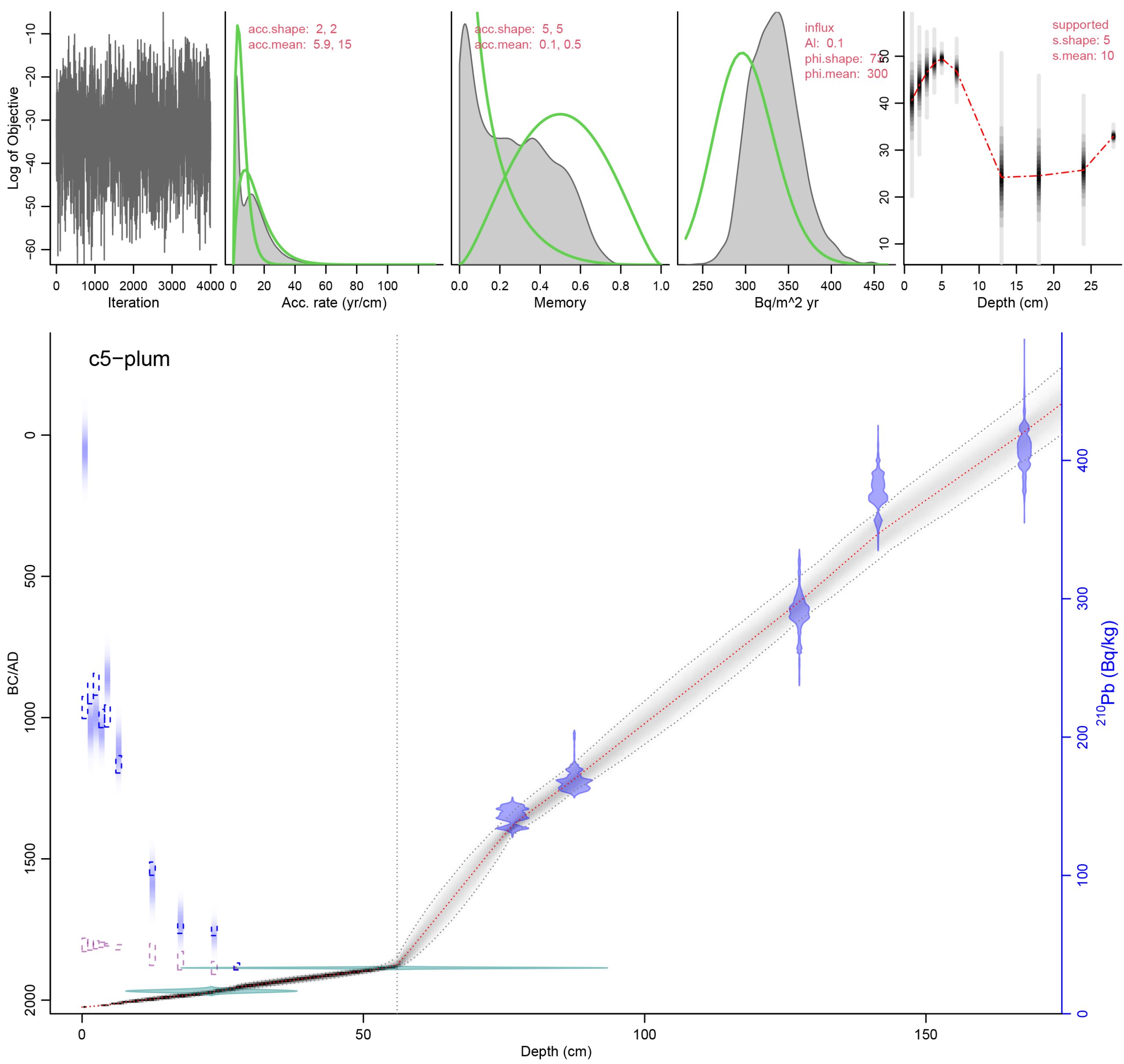
Preliminary sediment age-depth models have been developed for each core using the lead-210, carbon-14, and known sediment markers such as the Mt. Saint Helens ash layer (see the Sediment Age-Depth Model Example figure, image credit: Dan Gavin, University of Oregon). Establishing the sediment chronology is critical to correctly interpreting the history of the various sediment indicators and inferring past conditions.
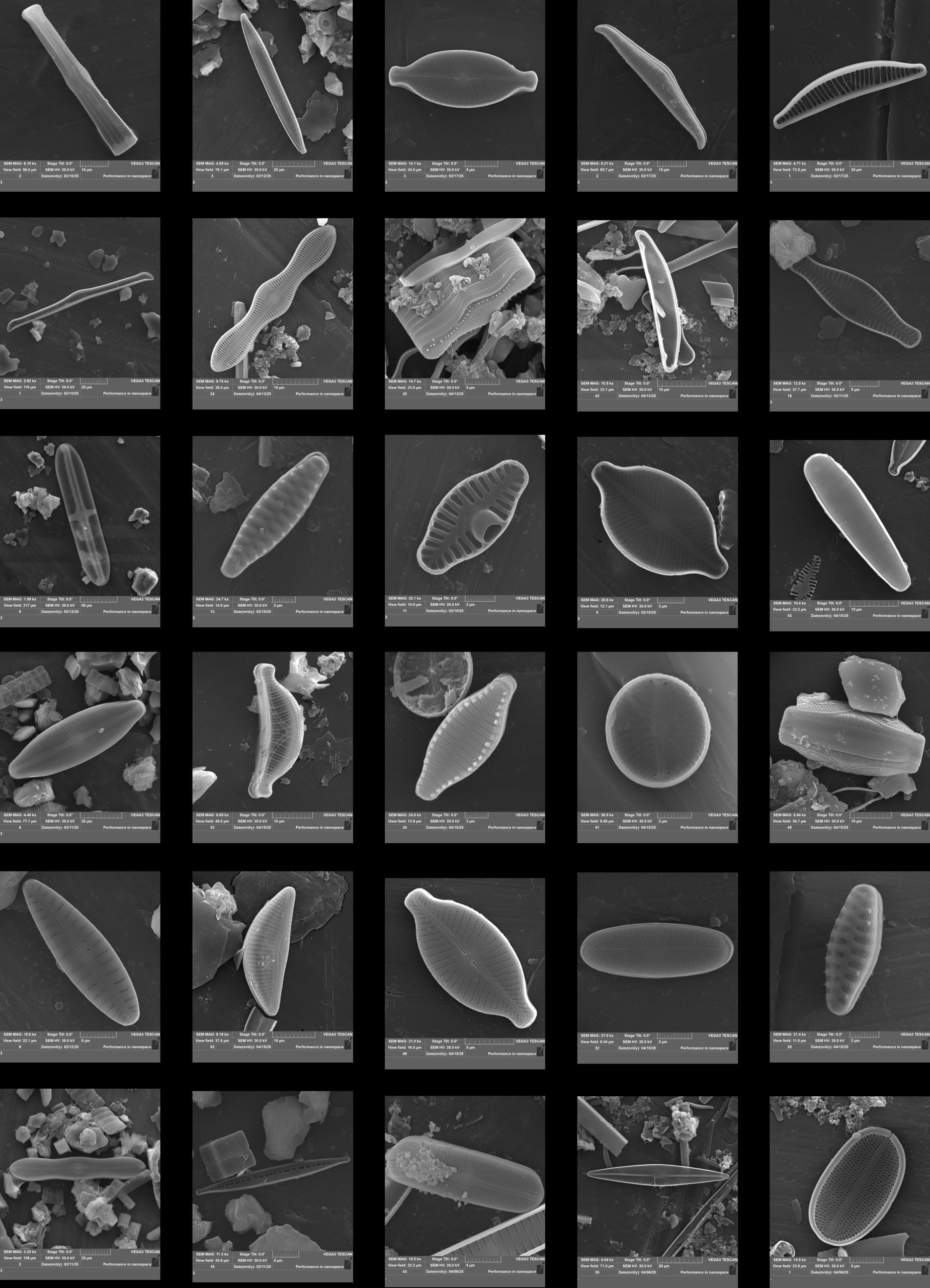
A major milestone for the project was the completion and submission of a manuscript on the modern diatom community collected in 2024 to a peer review journal. The manuscript is currently in review and describes the diatom community from across the lake. The diatom community showed distinct differences between collection sites. The diatom species list developed from this work will also account for a major portion of the diatom voucher collection (see the Diatom Scanning Electron Microscope image for example, image credit: Jeffery Stone Indiana State University).
The final steps of the project include reporting, peer review, and publication; this is expected in 2027.
Outcome
This project will provide information to guide future restoration efforts. More realistic lake restoration goals can be set when viewed through a richer historical lens than what is provided by the current lake monitoring record.